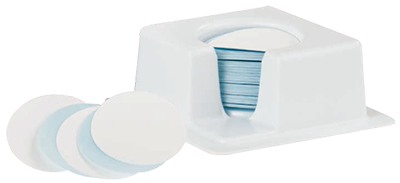
MCE
Metals and fibre sampling
Choose the membrane, diameter and pore size specified by the laboratory for metals analysis or fibre counting. NIOSH 7300 and 7400 describe different analytical procedures.
View Filter Codes →
ZEFON · SAMPLING SOLUTIONS
Select cassettes, membranes and sampling media by substance, aerosol fraction and laboratory method.
The filter collects airborne material for subsequent weighing or laboratory analysis. Choose the material, diameter and nominal pore size together with the sampler and analytical method.
Find Product and NOVEL Codes →MCE
Choose the membrane, diameter and pore size specified by the laboratory for metals analysis or fibre counting. NIOSH 7300 and 7400 describe different analytical procedures.
View Filter Codes →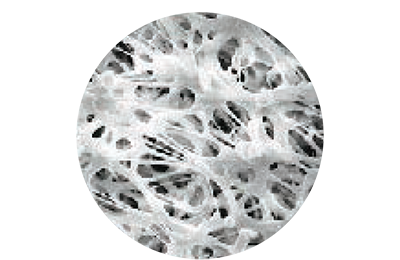
PVC
Used in applications comparing pre- and post-sampling weights. Pair with the sampler or cyclone for the target fraction; silica assessment additionally requires appropriate laboratory analysis.
View Filter Codes →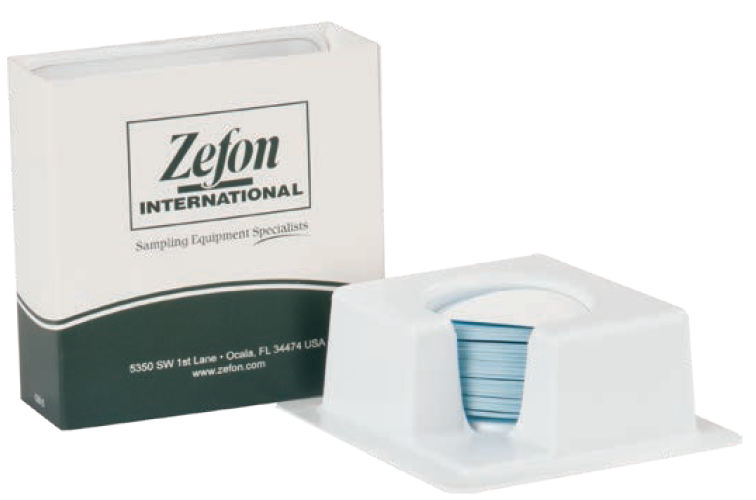
PTFE
Consider where chemical resistance matters. Verify supported or unsupported construction, pressure drop and analytical compatibility against the selected method.
View Filter Codes →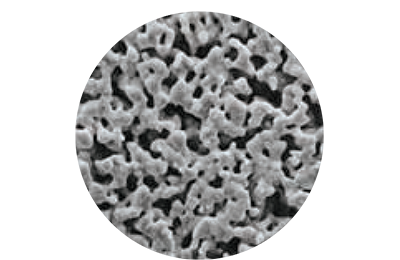
PCTE
Flat polycarbonate membranes support microscopic examination under an appropriate procedure. Membrane choice alone does not determine the respirable fraction.
View Filter Codes →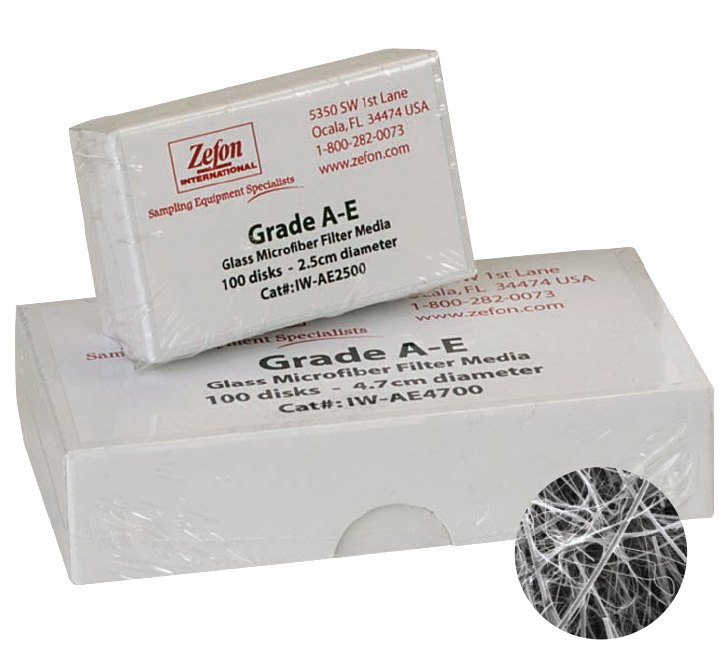
Glass Fibre
Consider for suitable methods requiring high dust loading or high flow. Confirm binder content, blank values and analytical compatibility with the laboratory.
View Product Codes →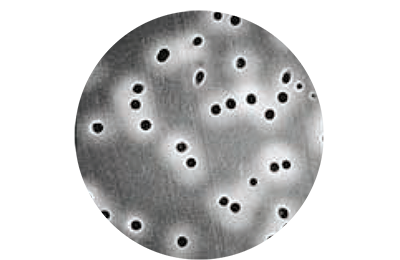
Silver
Some specialist analytical methods require metallic silver membranes. Select material, diameter and pore size for the actual analytical procedure.
View Product Codes →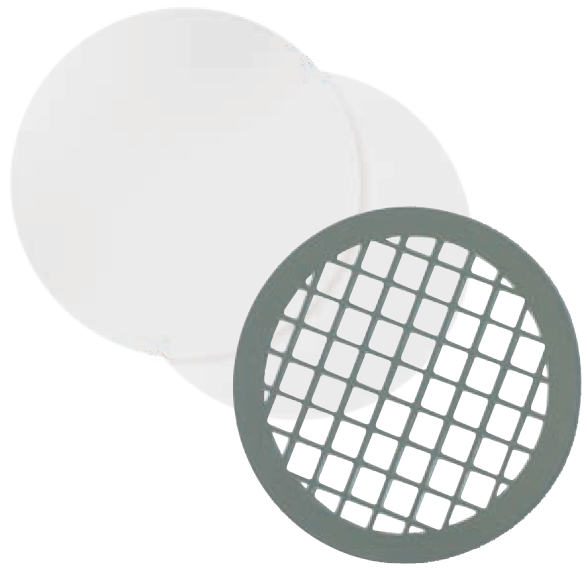
Supports
Help support the membrane within its cassette. Select cellulose, plastic or metal supports for chemical compatibility and cassette design.
View Product Codes →Nominal pore size is not the aerodynamic particle-size cut point. The inlet or cyclone, its specified flow and the method determine the sampled aerosol fraction.
METHOD SELECTION
Inhalable, thoracic and respirable aerosol fractions; sampler selection and gravimetric assessment.
Read the Method ↗Filter collection and gravimetric analysis of total particulate.
Read the Method ↗Cyclone and filter collection of respirable particulate; flow depends on the selected cyclone.
Read the Method ↗Fibre counting with suitable MCE media, cassette and microscopic assessment.
Read the Method ↗Elemental analysis; agree sample preparation and analytical compatibility with the laboratory.
Read the Method ↗