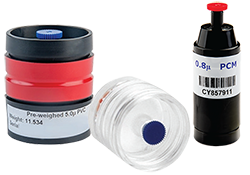
Filter Cassettes, Transport Cassettes for All Dust and Fibre Sampling
Cassette group holding the filter and connecting it to the sampling train in dust and fibre sampling.

NOVEL · Product family
Compare technical specifications of MCE/PVC filters, IOM samplers, cassettes, and cyclone accessories.
View Consumables and Accessories →Air sampling accessories cover sampling components such as filters, cassettes, samplers, sorbent tubes, and sample bags. Explore product groups suitable for the target substance and analytical method.
Cassette group holding the filter and connecting it to the sampling train in dust and fibre sampling.
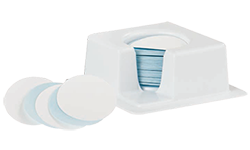
Filter group for particulate collection in appropriate sampling and analytical methods.
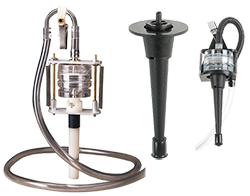
Sampler group for respirable dust sampling with suitable flow and filter.
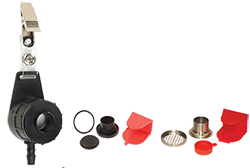
Sampler group for collecting the inhalable particulate fraction using an appropriate sampling method.
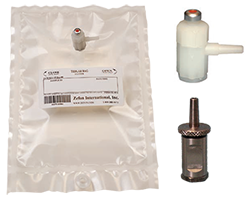
Bag group intended for collecting appropriate gas samples and transporting them to the analysis point.

Accessory group used in relevant laboratory sample preparation and analytical processes.
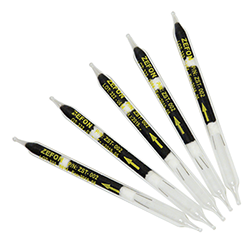
Sorbent tube group for sampling suitable gases and vapours for analysis.
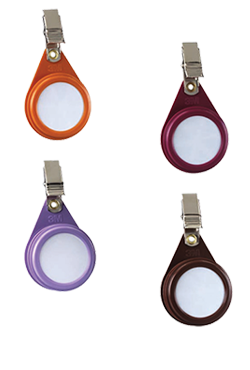
Passive sampling accessory for sampling suitable substances without the use of a pump.
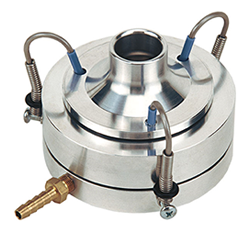
Sampling instrument for collecting bioaerosol samples from the air.
The correct product group is selected by jointly defining the measurement objective, site conditions, data requirements, and the method to be used. The topics below explain the selection and application planning for air sampling accessories.
Sampling accessories are system components that determine how the substance to be collected is transferred into the sample. Filters and cassettes can be used for collecting particulates, sorbent tubes for sampling suitable gases and vapours, and sample bags for transporting suitable gas samples. The scope of use of each component must be matched with the target method.
Different samplers are intended for sampling different particulate fractions. Selection of the sampler head, flow rate, and filter is performed together. Sampling objectives such as inhalable or respirable cannot be equated merely by changing the sampler head name; the method and measurement arrangement to be used must be compatible.
The target substance, analytical method, sampling medium, required sample volume, and transport conditions must be determined from the outset. Pump connections, site records, and sample identification are also part of the process. Accessory selection is evaluated in conjunction with the methods and sample conditions accepted by the laboratory.
Filter material, cassette structure, and sorbent type must be matched with the target analysis. The sample volume and the acceptance conditions of the analytical laboratory are verified prior to selection. An accessory that physically connects to the pump train does not automatically ensure correct sampling of the substance in question.
Sample identification, field blanks, packaging, and delivery lead time are determined alongside the analytical plan. Material compatibility and storage conditions for bags and tubes must be checked. Maintenance requirements for single-use and reusable parts are differentiated according to manufacturer instructions.
No. The cassette is the component that holds the filter and enables its connection to the sampling train. The material and characteristics of the filter are selected separately based on the target analytical method.
They are sampler families intended for sampling different particulate fractions. The sampler, flow rate, and filter to be used must be matched in accordance with the relevant method.
Material compatibility and sample storage and transport requirements must be checked. The same bag and storage conditions may not be suitable for every gas or vapour.
The target substance, dust fraction or gas type, analytical method, pump system, and sampling duration must be specified. Transport of the sample and delivery to the laboratory must also be planned.
Filter selection depends on the target substance, analytical method, and required sample characteristics. Pore size, material, and cassette structure are evaluated together. The suitability of a previous application carried out with a filter is not automatically valid for another chemical or gravimetric analysis.
A sorbent tube primarily collects substance for subsequent analysis; a detector tube uses its own on-site measurement method. Their functions and reading processes differ. The relevant product group should be selected by defining the objective as sample collection or on-site measurement from the outset.
The collection behaviour of a size-selective sampler is related to flow conditions. The flow rate required by the method and the manufacturer must be used. Altering the flow rate merely to increase sample volume may affect the accurate representation of the target particulate fraction.
The target substance, accepted method, filter or sorbent type, sample volume, and delivery conditions must be clarified. Field blank and storage requirements should also be ascertained. This ensures that field equipment and the analytical process are prepared in compatibility with each other.
NOVEL technical support
A draft opens in your email client with the subject header of the relevant product or category.