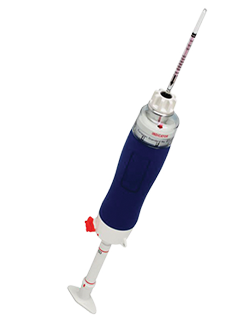
Komyo Kitagawa Short-Term Gas Detector Tube System
Field inspection and sampling system for measuring gases and vapours with appropriate detector tubes.

NOVEL · Product family
Gas detector tubes and TWA dosimeter tubes are distinct sampling approaches used for on-site gas checks and exposure assessments over a specified period. Review the product groups suited to your requirements.
Field inspection and sampling system for measuring gases and vapours with appropriate detector tubes.
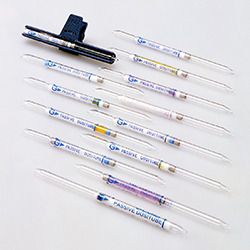
Passive diffusion and active pumped sampling. Two methods, separate tube catalogues.
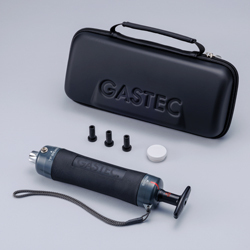
Choose the gas and measuring range. Plan field checks with the GV-100S kit.
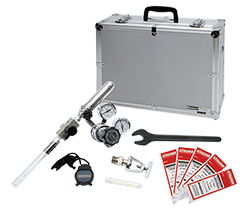
Field inspection and sampling system for measuring gases and vapours with appropriate detector tubes.
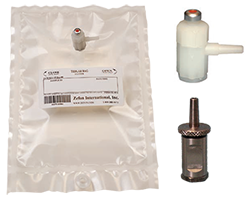
Bag group intended for collecting appropriate gas samples and transporting them to the analysis point.
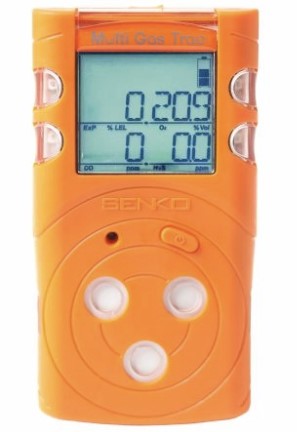
Detector intended for personal or area gas monitoring under suitable gas and operating conditions.
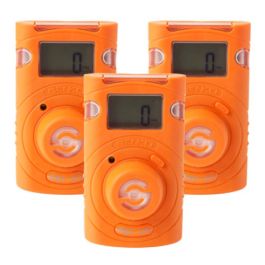
Detector intended for personal or area gas monitoring under suitable gas and operating conditions.

Detector intended for personal or area gas monitoring under suitable gas and operating conditions.
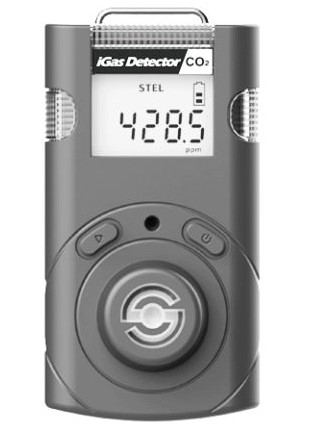
Detector intended for personal or area gas monitoring under suitable gas and operating conditions.
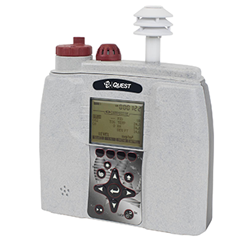
Multi-parameter monitor for evaluating gas, particle, and environmental data in indoor air quality studies.
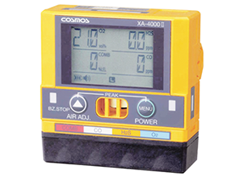
Detector intended for personal or area gas monitoring under suitable gas and operating conditions.
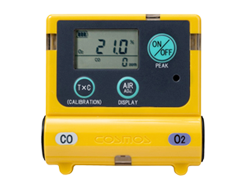
Detector intended for personal or area gas monitoring under suitable gas and operating conditions.
The correct product group is selected by defining the measurement objective, site conditions, data requirements, and the method to be used together. The sections below explain the selection and application planning for OHS - gas detector tubes and TWA dosimeter tubes.
Short-term detector tube systems are intended for on-site gas checks via a specific sampling procedure. TWA dosimeter tubes, on the other hand, are used in suitable applications to assess exposure over a specified period. The sampling procedure varies according to the measurement objective and the method of the tube used; results of the two approaches must not be interpreted on the same time scale.
The gas or vapour to be measured, the expected concentration, and the measurement objective must be determined. The measurement range supported by the tube, the sampling arrangement, and the manufacturer's instructions are evaluated together. Ambient conditions and the presence of other substances may affect the interpretation of the measurement; tube and pump compatibility is checked separately.
The electronic gas detectors, compressed breathing air analysis kits, and sample bags in the portfolio are intended for different measurement or sampling purposes. They should not be assumed to perform the same function as a gas detector tube system. The required outcome should be defined as a spot check, duration-based exposure, continuous monitoring, or laboratory analysis.
Substances that may be present alongside the target gas, ambient temperature, and humidity are part of tube selection. Interferences and corrections specified in the tube instructions must be examined. Colour change, scale reading, and sampling steps are carried out according to the specific tube's method; instructions for another tube must not be generalised.
The expiry date, storage conditions, and tube integrity must be checked. Pump checks and sampling duration are kept in accordance with the relevant method. For result traceability, the gas, tube type, date, location, and site conditions are recorded; spot check records and duration-based exposure records are kept separate.
TWA refers to the time-weighted average approach. The relevant tube and method are selected for evaluating exposure over the defined duration.
A spot-check tube system is designed for a specific sampling procedure. A need for continuous monitoring or alarm may require a separate instrument and measurement approach.
Compatibility must not be assumed. The tube, pump, and sampling method to be used must be matched in accordance with the manufacturer's relevant product instructions.
The target gas, expected concentration, measurement duration, ambient conditions, and whether the measurement is intended for a spot check or duration-based exposure must be specified.
Interferences specified in the manufacturer's instructions must be taken into account. Other substances may affect the reaction or reading. Without knowing the target gas, ambient composition, and measurement range, colour change alone should not be interpreted as definitive identification.
Exposure assessment over a period and spot-check alarms are different tasks. The TWA approach should not be assumed to provide a continuous alarm function for rapidly changing hazards. If an alarm is required, an electronic monitoring system with suitable sensors is evaluated separately.
The condition of the consumable may affect the usability of the measurement. The manufacturer's storage conditions, expiry date, and packaging integrity must be checked. Transport conditions for tubes taken to site must also be planned; results should not be produced with consumables of uncertain suitability.
A detector tube uses its own method for on-site assessment. Transporting a sample to a laboratory using a sorbent tube or gas bag is a different process. The correct product group must be selected by defining the target outcome, analytical method, and sample acceptance criteria.
NOVEL technical support
A draft opens in your email client with the subject header of the relevant product or category.