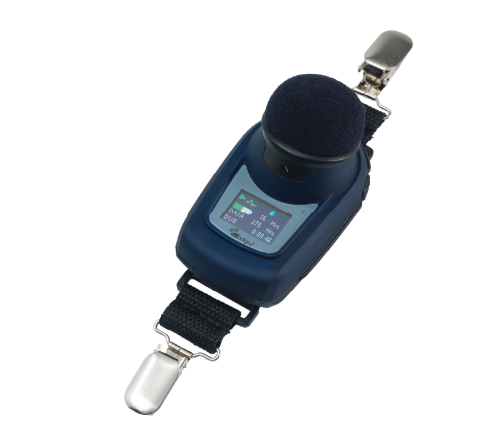
TSI Casella dBadge2 Personal Noise Dosimeter
Personal dosimeter for monitoring worker noise exposure during the working day.

NOVEL · Product family
Noise and sound measurement instruments are used to assess worker exposure, area sound levels, and the frequency spectrum of noise. Compare NOVEL product lines according to your measurement purpose.
Personal dosimeter for monitoring worker noise exposure during the working day.
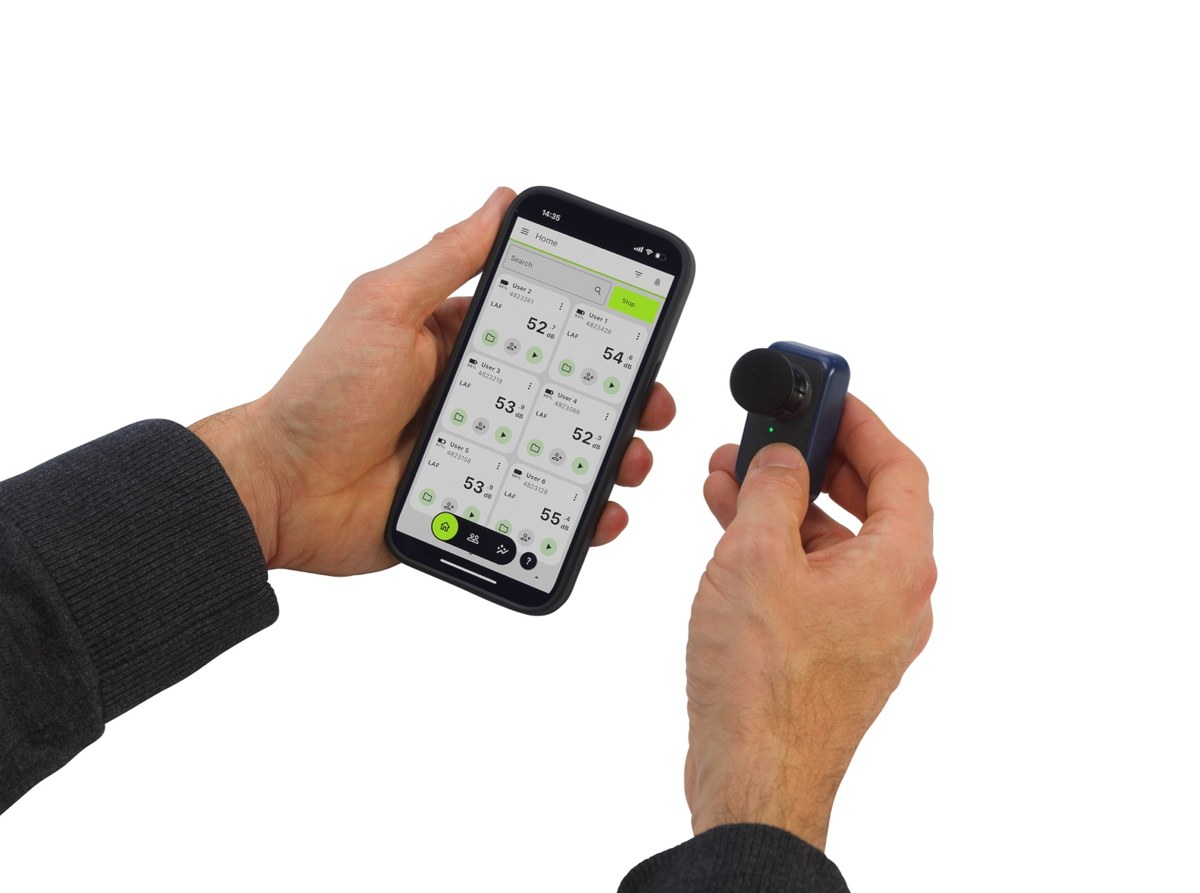
Personal dosimeter for monitoring worker noise exposure during the working day.

Personal dosimeter for monitoring worker noise exposure during the working day.
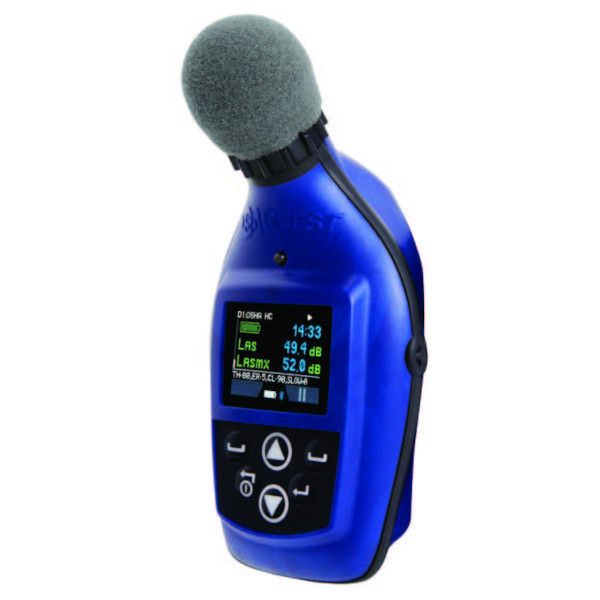
Personal dosimeter for monitoring worker noise exposure during the working day.
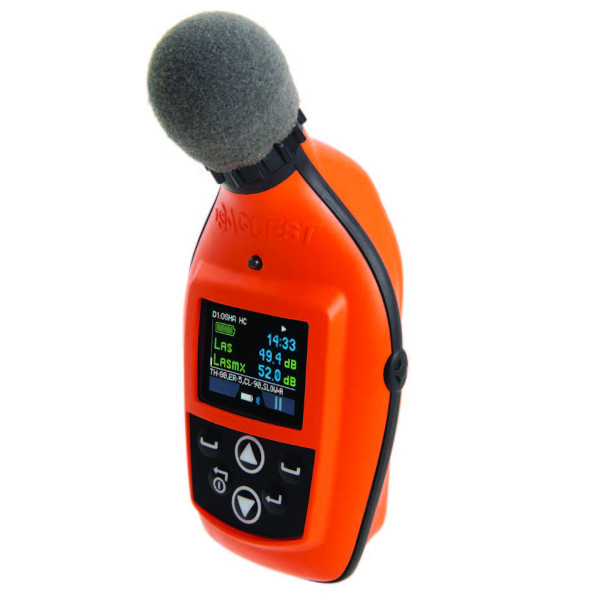
Personal dosimeter for monitoring worker noise exposure during the working day.
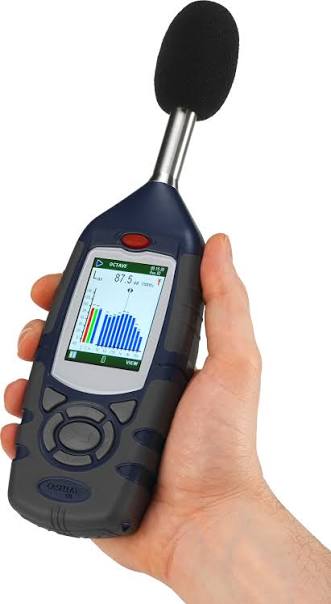
Measurement and analysis instrument for assessing sound levels and the frequency spectrum of noise.
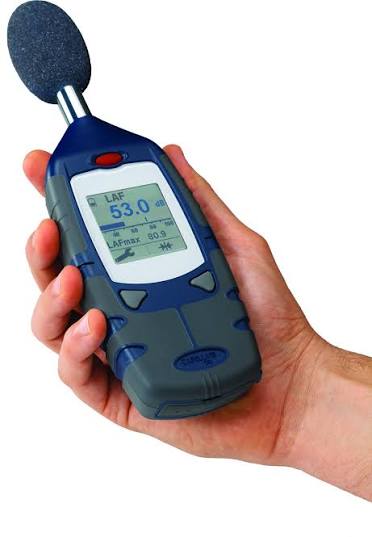
Instrument for assessing sound levels in working areas and environmental applications.
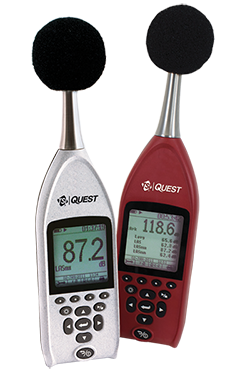
Instrument for assessing sound levels in working areas and environmental applications.
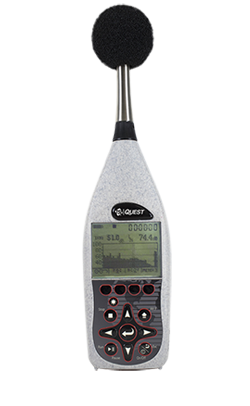
Measurement and analysis instrument for assessing sound levels and the frequency spectrum of noise.

Instrument for assessing sound levels in working areas and environmental applications.
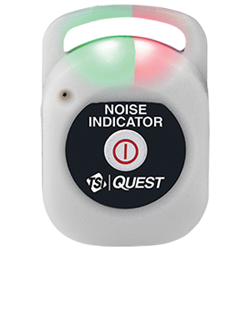
Instrument for assessing sound levels in working areas and environmental applications.
The right product group is selected by defining together the measurement purpose, field conditions, data requirements, and the method to be used. The sections below explain selection and application planning for noise and sound measurement and analysis instruments.
Sound level meters assess the sound level at a specific measurement point. Personal noise dosimeters, on the other hand, are worn by the worker to monitor exposure throughout the working day. Where frequency analysis is required, analysers capable of examining noise distribution across different frequency bands are used. Being in the same category does not mean these instruments perform the same measurement task.
In factory, workshop, and construction site studies, personal exposure and area noise are separate questions. In environmental studies, the measurement point, time interval, and source conditions gain importance. The instrument group is selected by determining the measurement purpose, required accuracy class, logging duration, frequency analysis, and reporting method.
The source to be measured, working schedule, worker mobility, and whether the measurement will be personal or at a fixed point must be clarified. Calibration and field verification, microphone accessories, and data transfer should also be planned. NOVEL product pages can be used to review the technical scope of models matching these needs.
To investigate changing conditions throughout a shift, time-history logging, timestamps of work steps, and measurement locations should be recorded together. A single value on the display alone may not explain source fluctuations. Data export, criteria to be compared, and the team that will use the report should be defined prior to purchase.
A microphone position representative of the measurement target, surrounding reflective surfaces, and external environmental influences must be planned. Placement of a dosimeter worn by the worker can also affect measurement. Appropriate acoustic calibrators, field check logs, and manufacturer accessories are evaluated as integral parts of the measurement system.
A sound level meter measures the sound level at a selected location; a dosimeter is intended to track an individual's noise exposure over their working time. Instrument selection is made based on whether the measurement focuses on the person or the area.
Band analysis can be useful when investigating the frequency spectrum of a noise source or evaluating control measures. Measuring only the overall sound level may not meet this requirement.
Yes, they can be planned as complementary studies for distinct measurement objectives. Area measurement helps evaluate the source and work zones, while personal measurement helps monitor the worker's exposure during the day.
The measurement purpose, environment, logging duration, expected sound level, frequency analysis, and reporting requirements should be shared. Accuracy class and the method to be used are evaluated alongside this information.
If work patterns vary, a short measurement may not represent the entire shift. Operating durations of sources, time spent by the worker in different zones, and work steps covered by the measurement should be recorded. The representative measurement duration is determined together with the study objective and the method used.
The suitability of the microphone, instrument, and calibration chain is required for the measurement task. An app displaying a sound level does not establish this suitability on its own. If there is a reporting purpose, the required measurement class, logging capabilities, and verification documentation must be evaluated separately.
No. Sound levels evaluated over time and short-term peak events indicate different characteristics. In operations with impulsive sources, which metrics are to be logged should be defined in advance. When comparing results, frequency weighting and time weightings must also match.
In before-and-after measurements, source operating conditions, measurement locations, and instrument settings must be comparable. Changes in production load can affect interpretation of the result. Frequency data helps investigate which source or frequency band has changed.
NOVEL technical support
A draft opens in your email client with the subject header of the relevant product or category.