| İSGÜM / TS EN ISO 9612 Approach | In İSGÜM's laboratory authorization resources, TS EN ISO 9612 task-based, job-based, and full-day measurement recording forms and calculation tools are published for personal noise exposure. In practice, job analysis, selection of the appropriate measurement strategy, measurement, uncertainty evaluation, and reporting are conducted together. |
|---|
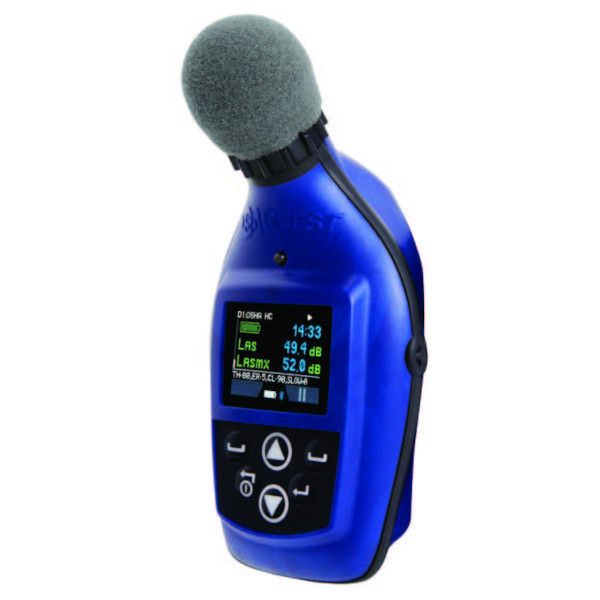
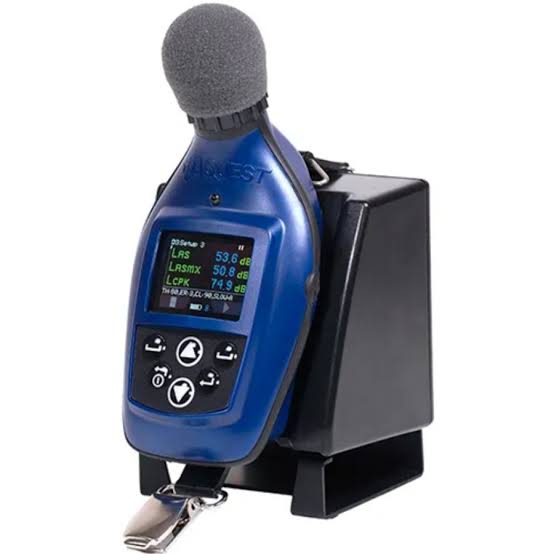
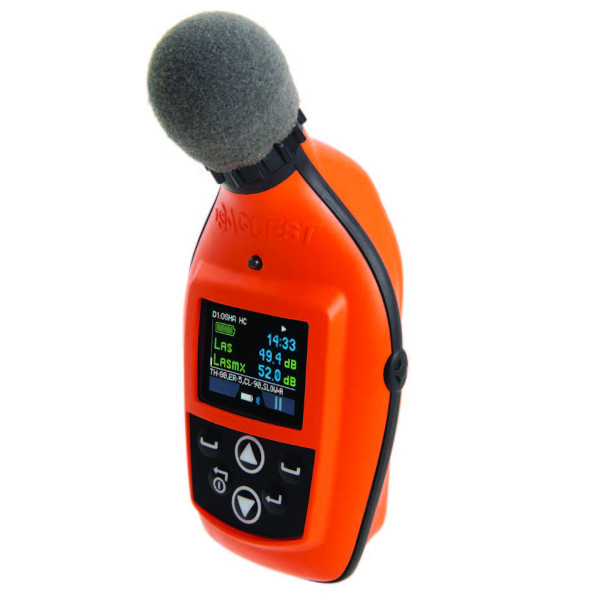
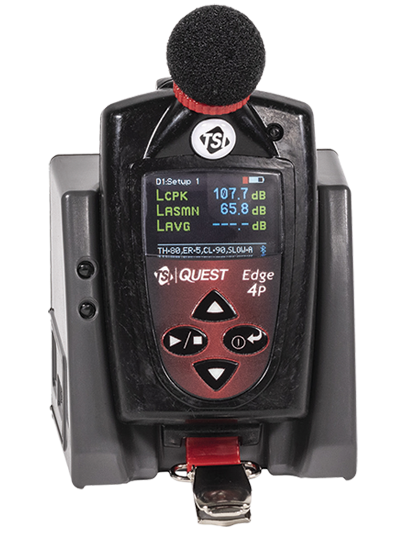
| Personal Exposure Measurement | İSGÜM clearly states that personal exposure measurement, rather than ambient noise measurement, must be performed for comparison with occupational exposure limit values. The Edge 7 is a personal noise dosimeter designed to be worn on the worker's shoulder region. |
|---|
| Four Independent Dosimeters | The Edge 7 can run four independent dosimeter profiles simultaneously. OSHA-HC, OSHA-PEL, ACGIH, and user-defined profiles, or threshold / exchange rate / criterion level combinations compliant with organizational procedures, can be compared within the same field study. |
|---|
| Measurement Data for ISO 9612 | Core parameters used in personal exposure assessment—such as RMS, dose, TWA, LAVG/LEQ, SPL, maximum/minimum levels, SEL/LEP, and peak—are recorded. 1/1 octave band analysis provides additional data for evaluating frequency content and control measures. |
|---|
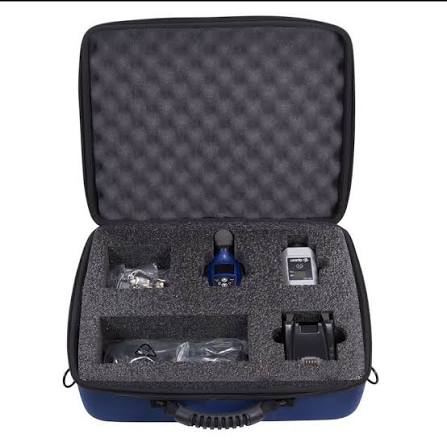
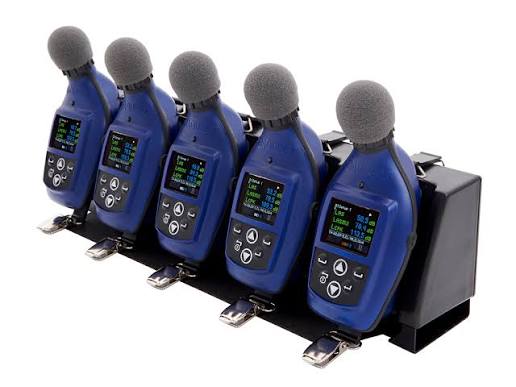
| Calibration and Field Check | Pre- and post-measurement acoustic verification must be conducted using an appropriate calibrator and a valid field procedure. The Edge family features a removable windscreen and a docking-based workflow designed to facilitate calibration access during routine field operations. |
|---|
| Raw Data and Recording | İSGÜM requires that raw data logged by the instrument during personal and ambient noise measurements be retained and submitted upon request. The Edge 7 provides a logging capacity of up to 100 days with a 1-minute logging rate; data can be stored, analyzed, and reported via DMS. |
|---|
| Application in Turkey | Under the TS EN ISO 9612 method, instrument standard compliance alone is not sufficient. The measurement strategy, current calibration of the instrument, pre-/post-field checks, microphone positioning on the worker, task durations, and uncertainty calculation must be implemented in conjunction with accredited laboratory procedures. |
|---|