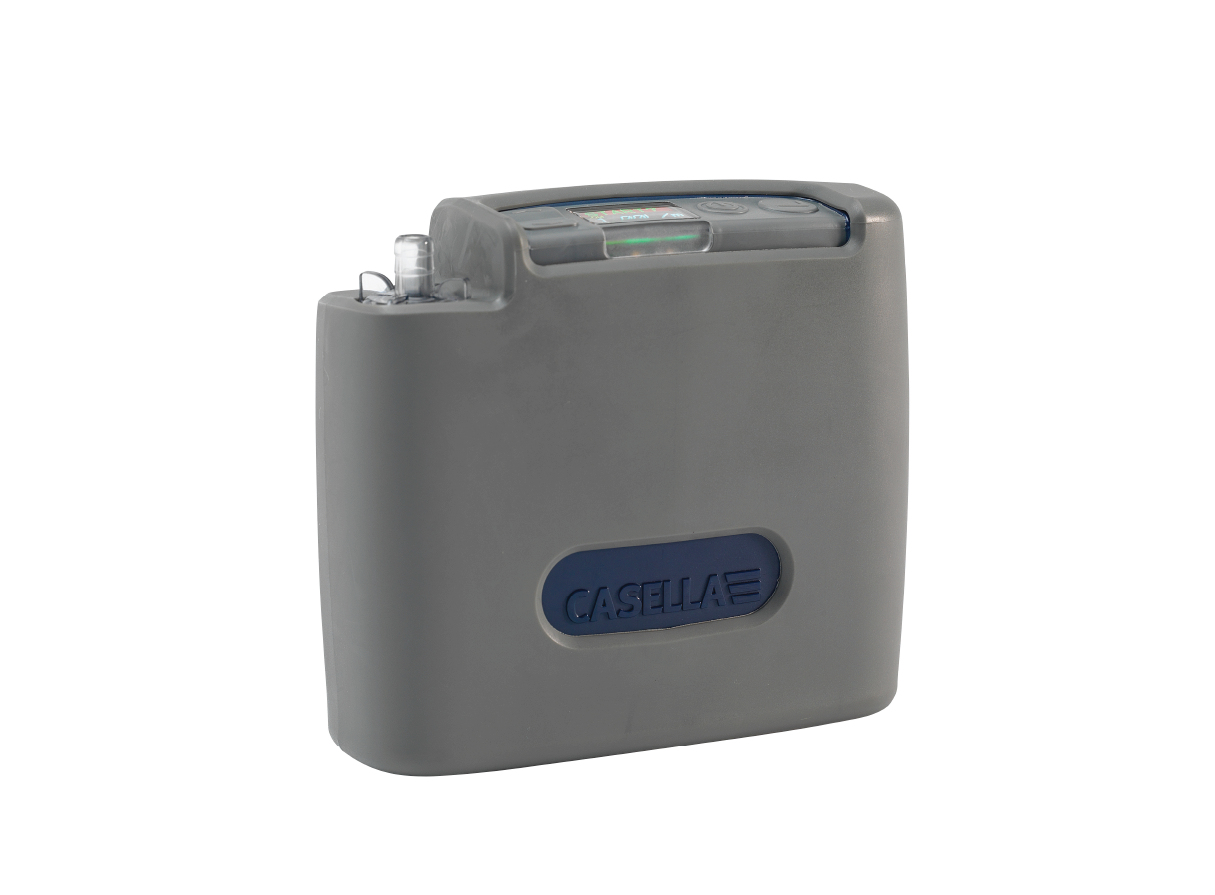
TSI Casella Apex2 – Personal Air Sampling Pump
Pump designed to collect air samples for analysis in conjunction with appropriate sampling media.

NOVEL · Product family
Dust, gas and air sampling pumps assist in collecting samples for analysis in combination with appropriate sampling media. Explore product ranges for personal and area sampling.
Pump designed to collect air samples for analysis in conjunction with appropriate sampling media.
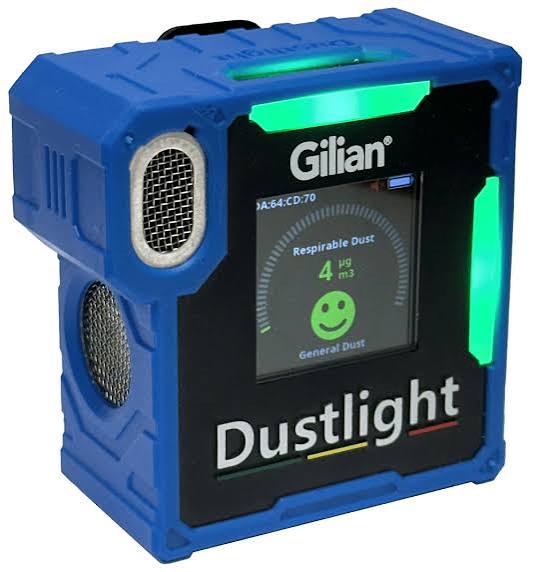
Instrument for real-time monitoring of dust and aerosol levels in occupational hygiene studies.
Pump designed to collect air samples for analysis in conjunction with appropriate sampling media.
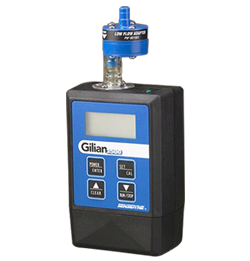
Pump designed to collect air samples for analysis in conjunction with appropriate sampling media.
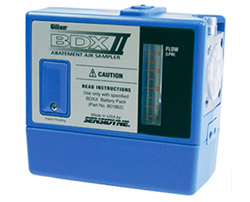
Pump designed to collect air samples for analysis in conjunction with appropriate sampling media.
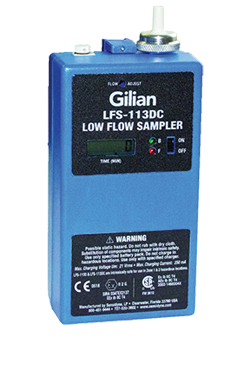
Pump designed to collect air samples for analysis in conjunction with appropriate sampling media.
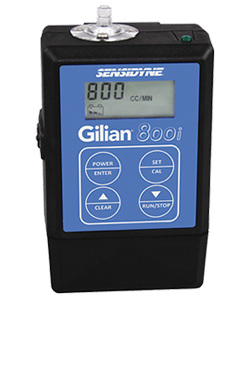
Pump designed to collect air samples for analysis in conjunction with appropriate sampling media.
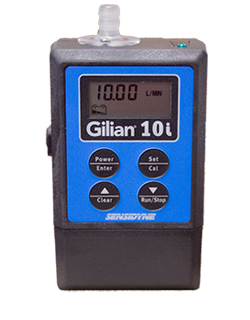
Pump designed to collect air samples for analysis in conjunction with appropriate sampling media.
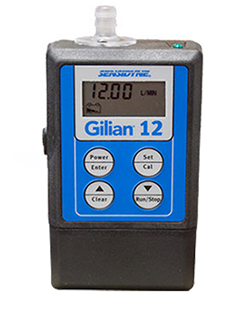
Pump designed to collect air samples for analysis in conjunction with appropriate sampling media.
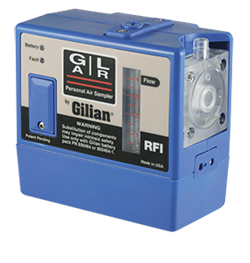
Pump designed to collect air samples for analysis in conjunction with appropriate sampling media.
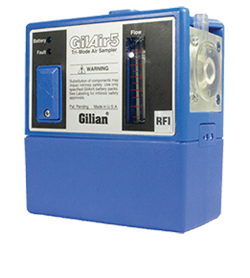
Pump designed to collect air samples for analysis in conjunction with appropriate sampling media.
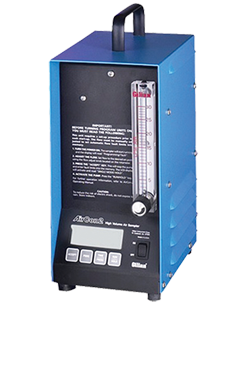
Pump designed to collect air samples for analysis in conjunction with appropriate sampling media.
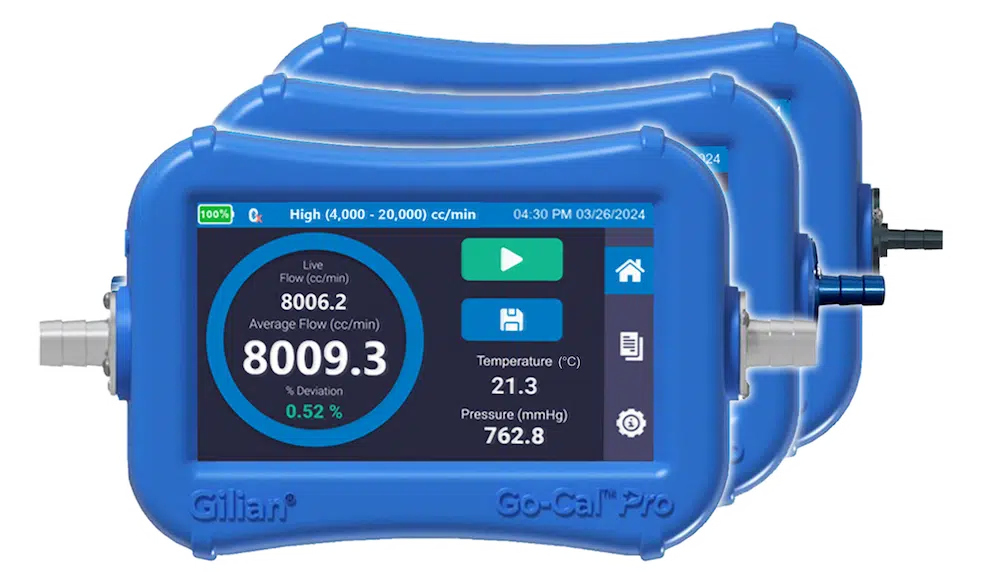
Calibrator for verifying flow in air sampling and laboratory applications.
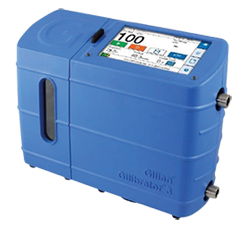
Calibrator for verifying flow in air sampling and laboratory applications.
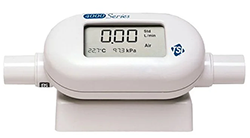
Calibrator for verifying flow in air sampling and laboratory applications.

Calibrator for verifying flow in air sampling and laboratory applications.
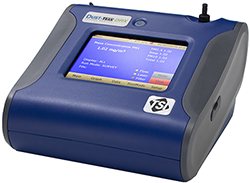
Monitor for real-time monitoring of variations in dust and aerosol levels.
The correct product family is selected by jointly defining the measurement purpose, site conditions, data requirements and the method to be used. The following sections explain selection and implementation planning for dust, gas and air sampling pumps.
The pump assists in sample collection by drawing air through an appropriate filter, sorbent tube or sampling head. It does not produce chemical or particle analysis results on its own. When the pump, sampling medium and subsequent analytical method are selected together, a sampling system suited to the application objective is established.
Personal sampling is aimed at evaluating an individual's exposure over their working shift. Area sampling, by contrast, is planned to assess ambient conditions at a specific fixed location. Pump mounting, sampling point location and sampling run time are established accordingly; results from the two studies may not provide equivalent representation.
The target airborne substance, sampling methodology, required flow rate, sampling media and run time must be determined. Backpressure in the sampling line and field conditions are also critical in pump selection. A suitable calibrator is used for flow rate verification; air sample volume and logging data are addressed in tandem with the analytical process.
The backpressure generated by the filter, head or tube must be evaluated alongside the target flow rate. Battery run time, carrying arrangement and logging features must support the planned operating duration. An instrument running unloaded without resistance does not guarantee identical flow rate performance through the selected sampling train.
Pre- and post-sampling flow checks are scheduled in accordance with the relevant method. Start and finish times, sample identification and field conditions must be recorded. Sample delivery to the laboratory, storage conditions and required field blanks are evaluated alongside the analysis plan.
It generally provides airflow to collect samples. The result is obtained via the sampling media and analytical method used. The function of real-time monitors differs from this.
The sampling medium determines how the target substance is collected. An unsuitable medium may fail to provide an appropriate sample for the intended analysis, even if the pump is operating properly.
A suitable calibrator is selected to verify the flow rate required by the sampling method. The pump operating range and calibrator coverage must be compatible.
They can be used complementarily within a proper monitoring plan. The monitor aids in tracking temporal variations, whilst pumped sampling facilitates sample collection for laboratory analysis.
No. The required flow rate is determined by the selected sampling head, media and analytical method. An inappropriate flow rate may fail to satisfy the sampling objective. Pump capacity must deliver the target value; flow rates should not be adjusted outside the method to increase sample volume.
Collected material can alter the resistance of the sampling line. The pump's capability to maintain flow under relevant operating conditions and its fault notification features must be evaluated. Records of interruptions or flow deviations are critical for interpreting the duration and volume represented by the sample.
The analysed sample is evaluated together with the volume of sampled air. Records of flow rate, duration and interruptions help determine the sample volume. The mere operation of the pump does not alone provide valid volume data; the flow checks and recording requirements of the relevant method must be followed.
Suitability for use must be verified from the specific model's certification scope and the site classification. The presence of an approved model within a product family does not imply that all models share the same classification. Accessories used with the pump and site procedures must also be evaluated.
NOVEL technical support
A draft opens in your email client with the subject header of the relevant product or category.