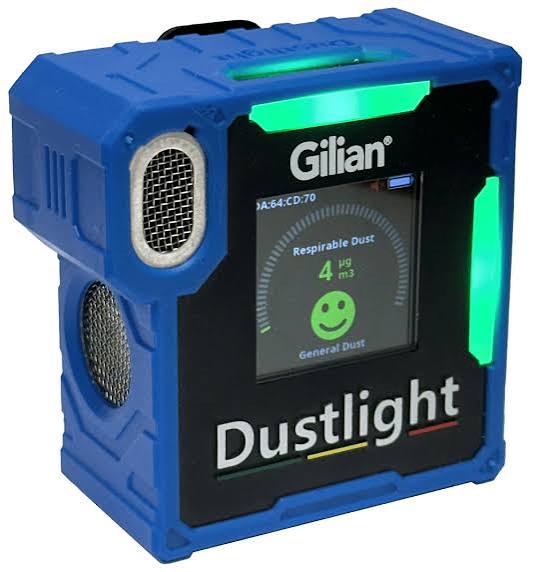
Gilian Dustlight – Personal Real-Time Dust and Particle Monitor
Instrument for real-time monitoring of dust and aerosol levels in occupational hygiene studies.

NOVEL · Product family
Environmental and air quality instruments are used to monitor indoor air, gases, PM, dust, and aerosols. Review product lines suitable for the measured parameter and field conditions.
Instrument for real-time monitoring of dust and aerosol levels in occupational hygiene studies.
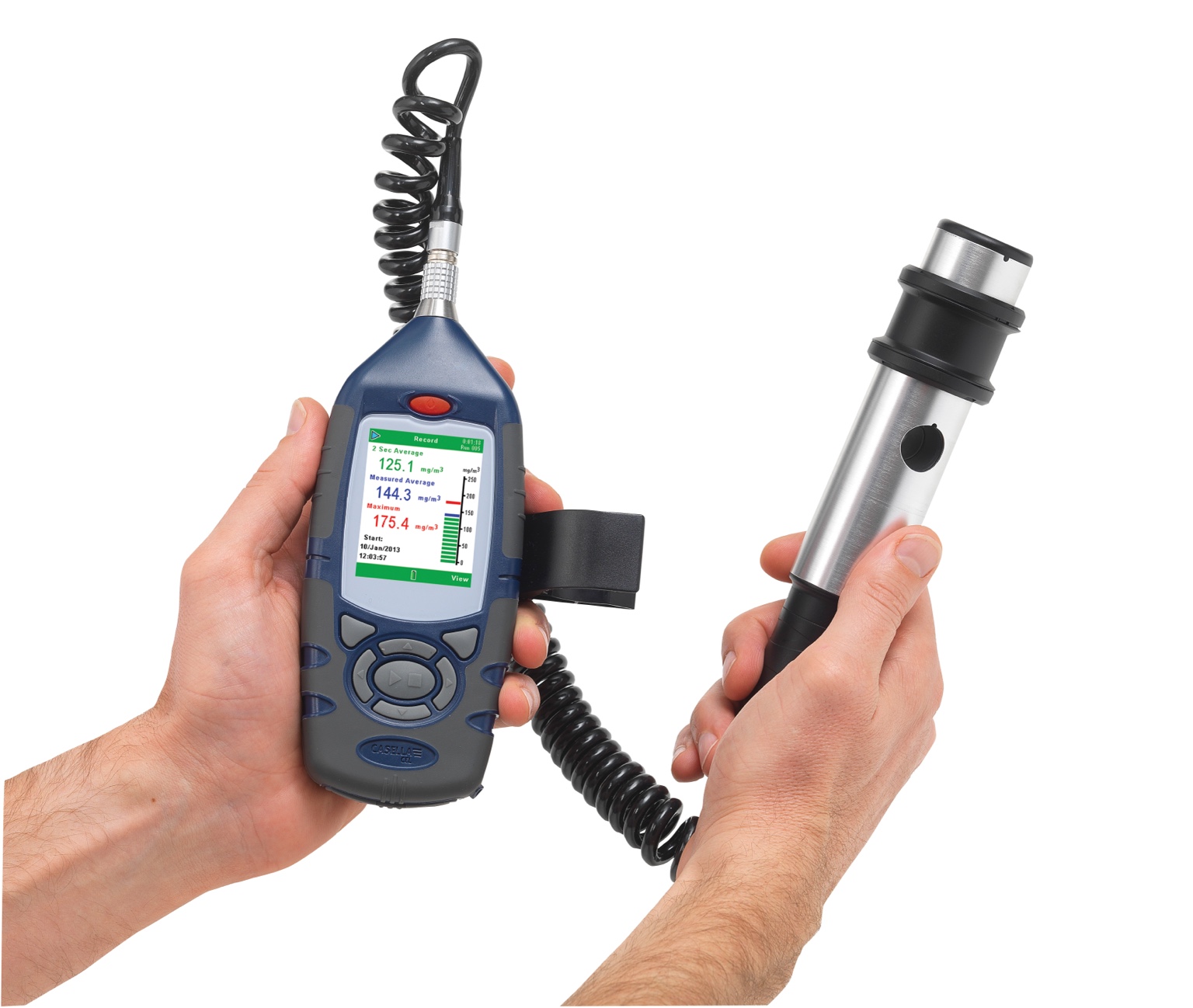
Instrument for real-time monitoring of dust and aerosol levels in occupational hygiene studies.
System for assessing the fit of tight-fitting respirators to the user via quantitative fit testing.
Monitor for real-time monitoring of variations in dust and aerosol levels.
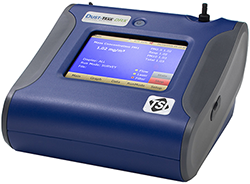
Monitor for real-time monitoring of variations in dust and aerosol levels.
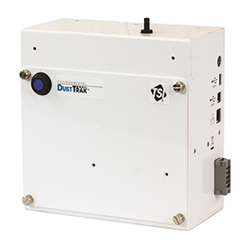
Monitor for tracking aerosol and particulate conditions in ambient outdoor studies.
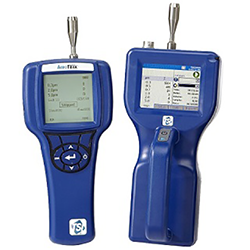
Handheld optical particle counter for spot checks and investigating particulate contamination in controlled environments.
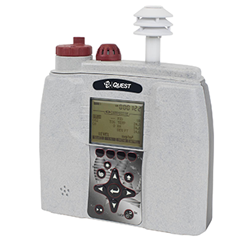
Multi-parameter monitor for evaluating gas, particle, and environmental data in indoor air quality studies.
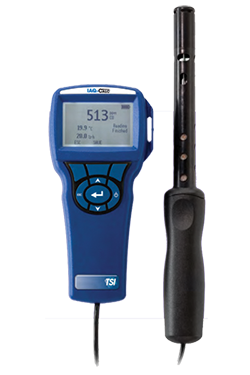
Measurement instrument for monitoring indoor air quality and environmental conditions.
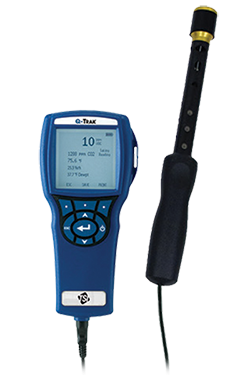
Measurement instrument for monitoring indoor air quality and environmental conditions.
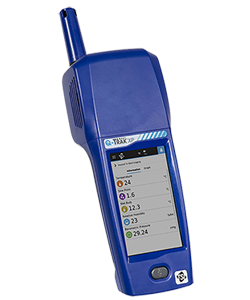
Multi-parameter monitor for evaluating gas, particle, and environmental data in indoor air quality studies.
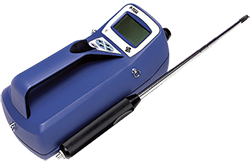
Portable counter for monitoring ultrafine particles when investigating air quality and potential aerosol sources.
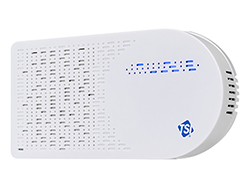
Measurement instrument for monitoring indoor air quality and environmental conditions.

Instrument for real-time monitoring of dust and aerosol levels in occupational hygiene studies.
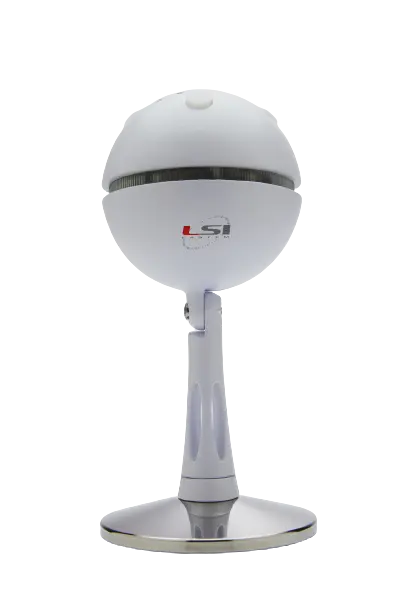
The right product group is selected by defining together the measurement purpose, field conditions, data requirements, and the method to be used. The sections below explain selection and application planning for environmental and air quality monitoring and analysis instruments.
Indoor air quality, personal dust exposure, and ambient particulate monitoring are not the same measurement objective. Gas concentration, aerosol mass concentration, and particle count also yield different results. The problem under investigation and the desired measurement result should be defined first, followed by the selection of the appropriate instrument or instrument combination.
Indoor investigations in offices, schools, and facilities are addressed alongside ventilation conditions, occupancy patterns, and potential sources. Outdoors, weather conditions, installation, and ingress protection requirements come to the forefront. Personal monitoring, fixed-point measurement, and mobile walk-through screening also require different setup arrangements.
Real-time instruments help track trends and potential sources. Sampling with filters or other media provides data for subsequent analysis according to the chosen method. These approaches can complement one another; it should not be assumed that they provide identical measurement results for every study.
The objective must first be defined in offices, schools, production areas, and enclosed spaces. The user's position, ventilation operating hours, and potential pollutant sources are included in the measurement plan. If indoor and outdoor comparisons are to be made, logging intervals and reporting units must be kept consistent.
Gas sensors and particle measurement can create different verification requirements. Parameters supported by the instrument, installed sensors, measurement ranges, and manufacturer maintenance instructions are evaluated. In long-term monitoring, data transmission, logging interruptions, and continuity of measurement during servicing must also be planned.
IAQ refers to indoor air quality. Depending on the application investigated, ambient conditions such as gases, particulates, and temperature-humidity can be evaluated together.
PM measurement primarily focuses on the particulate mass concentration in specific fractions. A particle counter, on the other hand, provides number concentration or counts by size channels. Results should not be used interchangeably.
Not in every application. While a dust monitor monitors real-time changes, a pump and appropriate sampling media constitute a system for collecting samples for analysis.
The target gas or particulate, indoor or outdoor environment, personal or area measurement, duration, and data logging requirements should be specified. This information helps in selecting the correct measurement method and instrument group.
No. CO₂ is a parameter used in specific air quality and ventilation studies; it does not replace particulate, CO, or volatile organic compound results. Required gas and particulate measurements must be specified separately according to the targeted problem and sources.
Mass concentration and number concentration are different quantities. They can exhibit different trends in the same environment. Results should not be assumed equivalent without knowing the instrument's measuring principle, size range, and reported units; an instrument compatible with the monitoring objective should be selected.
Not always. The odour source may consist of various substances, and the instrument's sensor range might not cover them. Investigation of the source, operating hours, and possible compounds may be required. The measurement system must be matched to the target substance and the desired evaluation.
General air quality measurement indicates variations; it may not definitively confirm the identity of the source on its own. Time logging, field observation, and operational activities are analysed together. Where necessary, the study is completed with target-specific measurement or sampling and laboratory analysis.
NOVEL technical support
A draft opens in your email client with the subject header of the relevant product or category.