
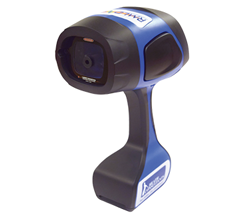
Inspect gas leaks without approaching; manage critical infrastructure more intelligently. NOVEL laser gas detectors offer remote leak screening solutions for municipal natural gas distribution companies, OIZ gas networks, regulation and compressor stations, and industrial maintenance teams.
Handheld methane scanners Heath RMLD-CS, TGES LaserMethane Smart, and PERGAM LM100M; for ammonia leaks PERGAM LMA; for 24/7 automated plant monitoring select the appropriate solution for field crew and facility requirements with PERGAM LMS. TDLAS measurement must not be confused with direct gas concentration or LEL measurement.
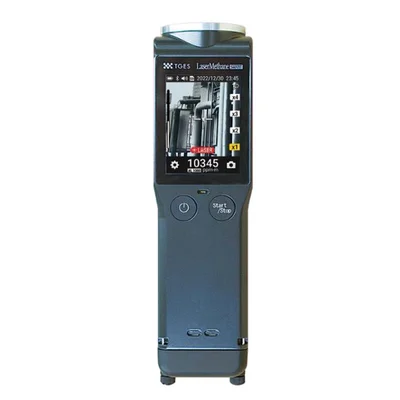
TGES LaserMethane Smart – ATEX/IECEx Remote Laser Methane Leak Detector
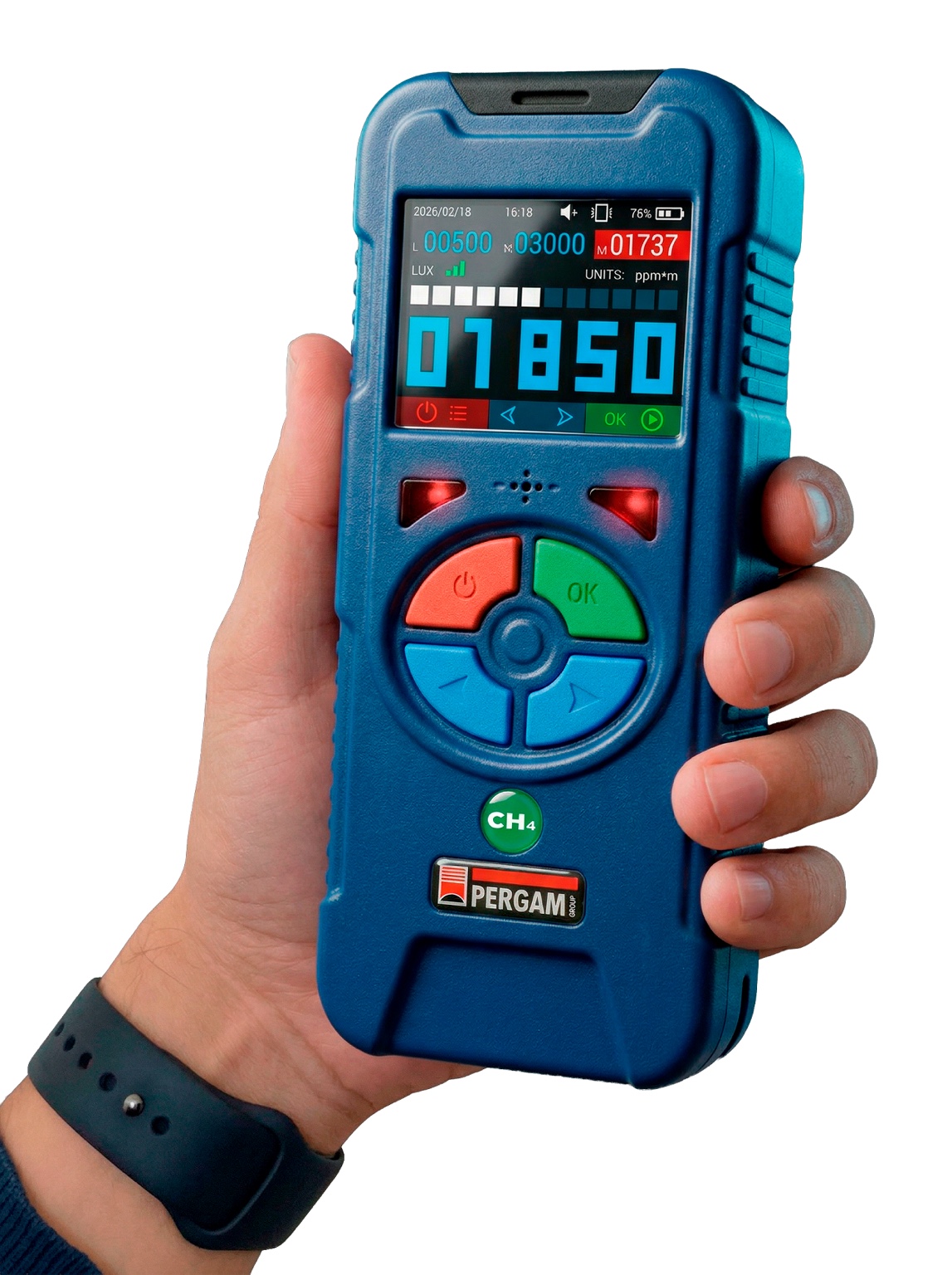
PERGAM LM100M – Handheld ATEX Laser Methane / Natural Gas Leak Detector
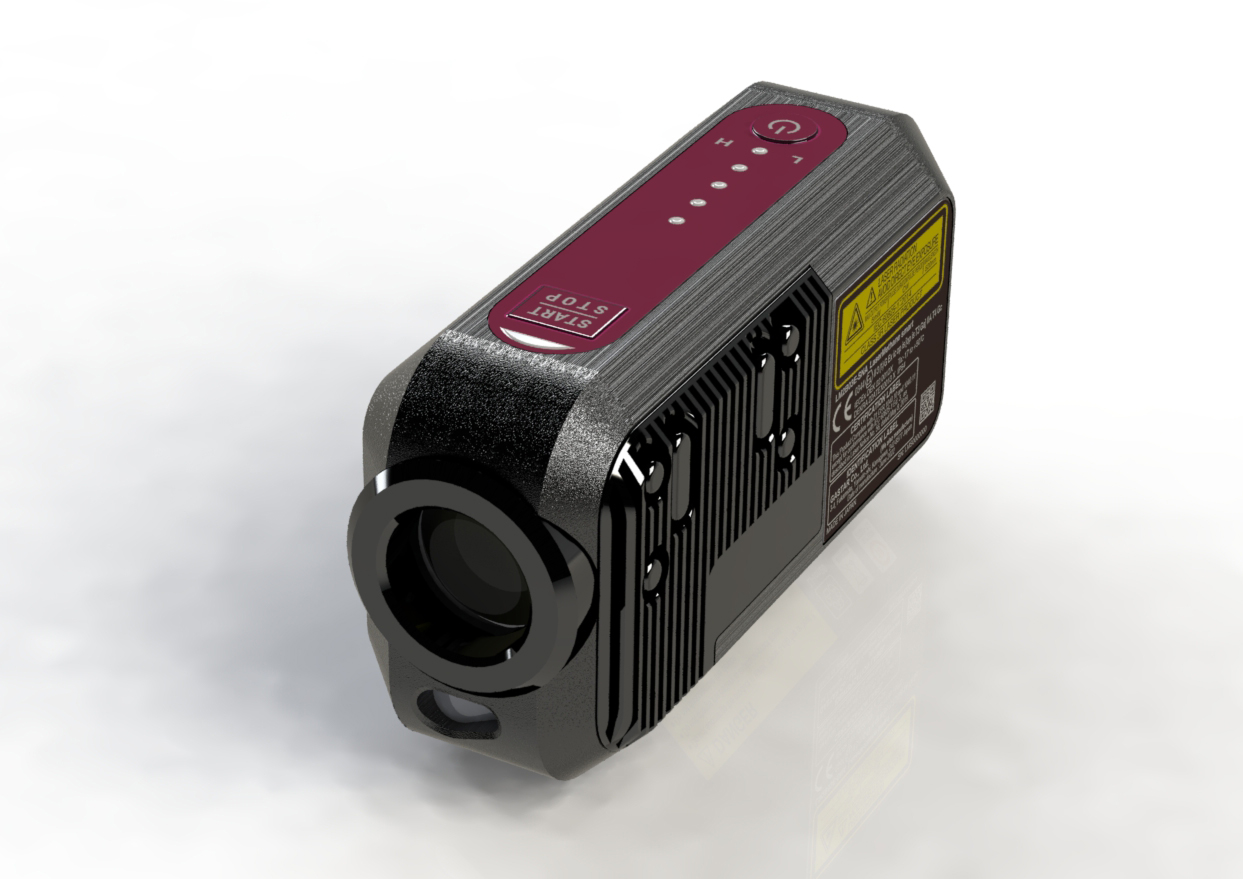
PERGAM LMA – Remote Laser Ammonia (NH₃) Leak Detection Instrument
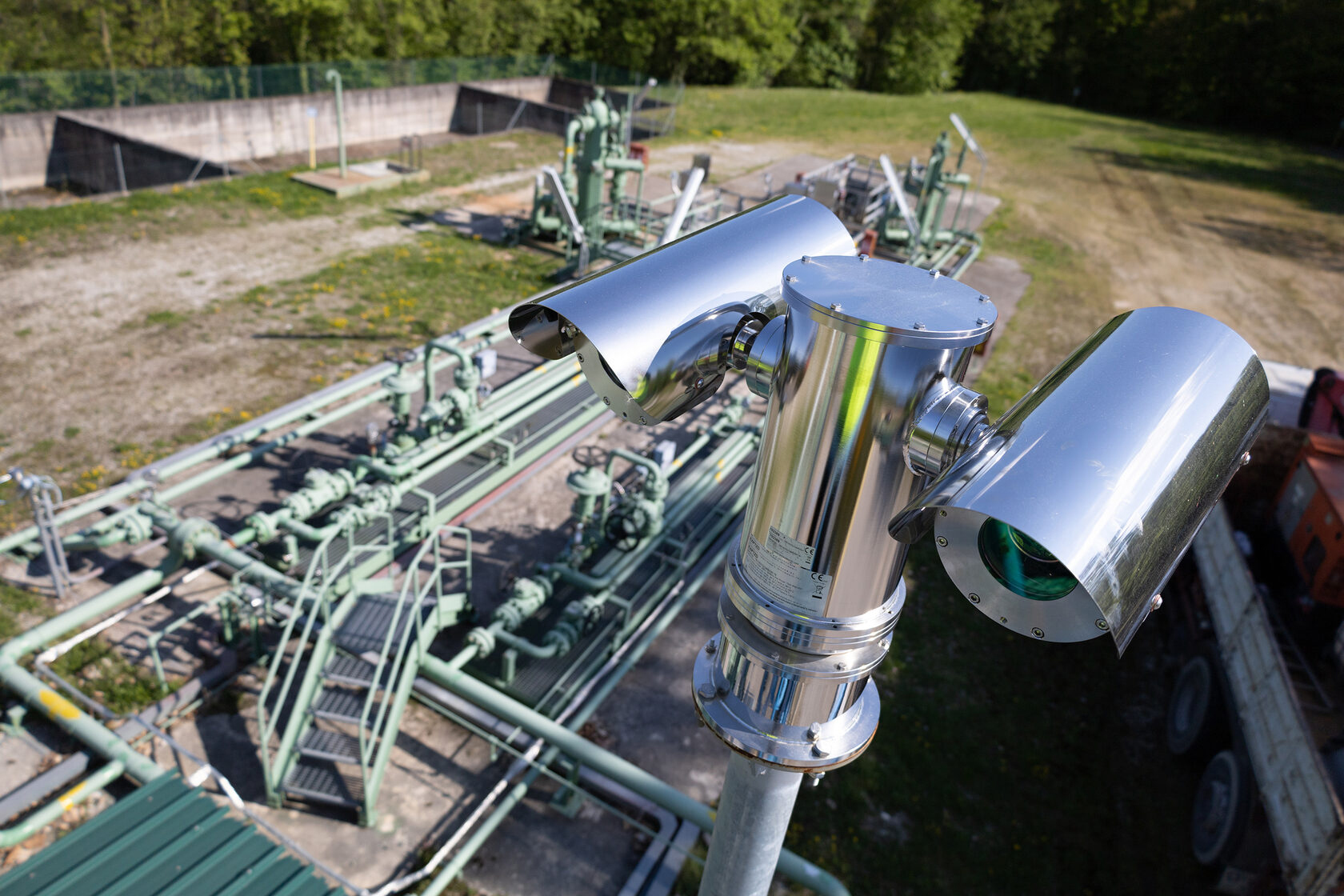
PERGAM LMS – 24/7 Automated Fixed Laser Methane Gas Leak Monitoring System
Remote Laser Gas Leak Detector Selection Guide
Selecting the correct technology in natural gas distribution, OIZ, petrochemical, and industrial refrigeration applications in Turkey impacts scanning speed, workforce efficiency, and plant safety alike. NOVEL compares handheld laser, NH₃ scanner, and fixed automated monitoring options based on target gas and operational scenario.
Which measurement approach delivers greater operational benefit?
Mobile field inspection: RMLD-CS, TGES, and LM100M; scanning without physical contact with each connection point in high-workload operations. Uninterrupted station monitoring: LMS; programmed continuous site surveillance and event logging. Ammonia risks: LMA; laser detection dedicated to NH₃. The right technology reduces the risk of investing in the wrong instrument.
How do the roles of laser scanning and pumped gas detectors differ?
Remote laser measurement scans methane/ammonia plumes along the optical line of sight; pumped instruments draw the sample through a hose to the sensor. For this reason, laser scanning does not automatically substitute for point gas sampling, flammability/LEL measurement, or pre-entry confined space atmospheric verification. NOVEL evaluates complementary products side by side to suit the workflow.
What must be confirmed before proceeding to procurement and installation in Turkey?
Target gas, scanning distance, plant Ex zone classification, field beam path and reflective surfaces, logging and communication requirements, battery/power supply, maintenance, and operator training must be assessed collectively. For fixed LMS projects, mounting, electrical infrastructure, control room, and alarm integration are engineered separately.
Frequently Asked Questions About Laser Gas Leak Detectors
What is a laser methane gas detector and how does it work?
A laser methane detector uses TDLAS (tunable diode laser absorption spectroscopy) to measure the absorption of light by methane molecules at a specific wavelength. It is designed to scan methane remotely along the optical line of sight without drawing gas into the instrument. Results are predominantly displayed in ppm·m.
What is the difference between RMLD-CS, TGES LaserMethane Smart, and PERGAM LM100M?
All three are intended for handheld methane leak scanning by field crews. RMLD-CS emphasises remote inspection and field survey recording features, LaserMethane Smart highlights camera/data management, and LM100M focuses on a compact housing, IP65 rating, and rapid field surveys. Certification, connectivity, and battery requirements should be compared on a per-model basis.
Does PERGAM LMA measure methane or ammonia?
The LMA is defined in manufacturer literature for detecting ammonia (NH₃); it must not be marketed as a methane scanner. It can be considered for leak detection in ammonia-based industrial refrigeration, chemical, and fertiliser plants.
Is PERGAM LMS portable, or does it operate automatically 24/7?
LMS is a system family with fixed installation that performs 24/7 methane scanning along a programmable route. It was developed for continuous automatic surveillance at critical facility locations rather than replacing handheld walk-around inspections. Coverage distance, power requirements, and Ex options are determined according to the configuration.
What does ppm·m mean; is it the same as ppm?
ppm·m is a path-integrated unit of measurement expressing the cumulative effect of gas concentration along the optical beam path. It is not identical to ppm; the ppm·m value on the instrument display must not be interpreted on its own as instantaneous gas volume concentration, leak mass flow rate, or regulatory exposure limit.
Which laser detector should municipal gas distribution companies and OIZs choose?
For mobile network surveys and remote inspection of service boxes, streets, and meter points, handheld RMLD-CS, LaserMethane Smart, or LM100M can be evaluated. If continuous monitoring is targeted at gas distribution/compressor stations, PERGAM LMS applies; if ammonia refrigeration hazards exist, PERGAM LMA addresses a distinct application area.
Are laser methane detectors ATEX certified?
Not all laser gas detectors are automatically ATEX certified. Compliance must be confirmed based on the manufacturer model, variant, and hazardous area marking. For example, North American Class I/Div 2 classification is specified for RMLD-CS, whereas specific Ex configurations are described within the TGES and LM100M families; these are not interchangeable.
Can a laser gas detector detect buried pipelines or leaks behind any surface?
Laser scanning relies on the target gas intersecting the optical beam path and yielding sufficient optical backscatter. It cannot see underground leaks directly through the soil; methane plumes rising to the surface can be detected under suitable conditions. Glass, surface reflectivity, wind, and precipitation can affect measurement feasibility.
Technical note: Measurement distance and performance depend on the target gas, surface reflectivity, meteorological conditions, and the selected instrument. ATEX/IECEx markings, laser class, detection range, and conformity documentation must be verified per model and application prior to purchasing. Contact NOVEL.