
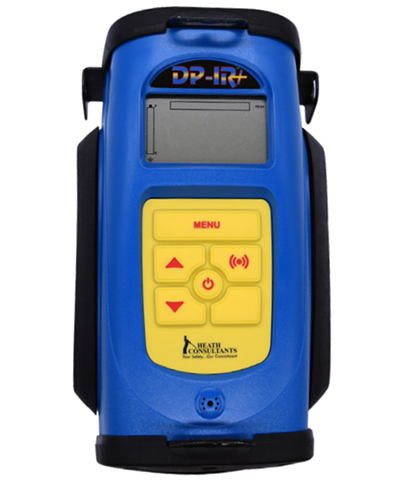
Take gas distribution networks beyond traditional route inspections. For municipal gas distribution utilities, organised industrial zone gas infrastructure operators, and energy maintenance teams, NOVEL combines vehicle-mounted laser/optical methane screening, mobile reporting, and pinpoint field verification solutions.
DP-IR+ focus on methane surveys; Discover AMLD and SELMA Duo focus on methane–ethane discrimination; HYBRID CGI focuses on on-site investigation of suspected leak indications identified during vehicle surveys. NOVEL MDTVA supports the PC-based review and reporting of data gathered from compatible detectors. The appropriate instrument must be specified based on target gas and data management requirements.
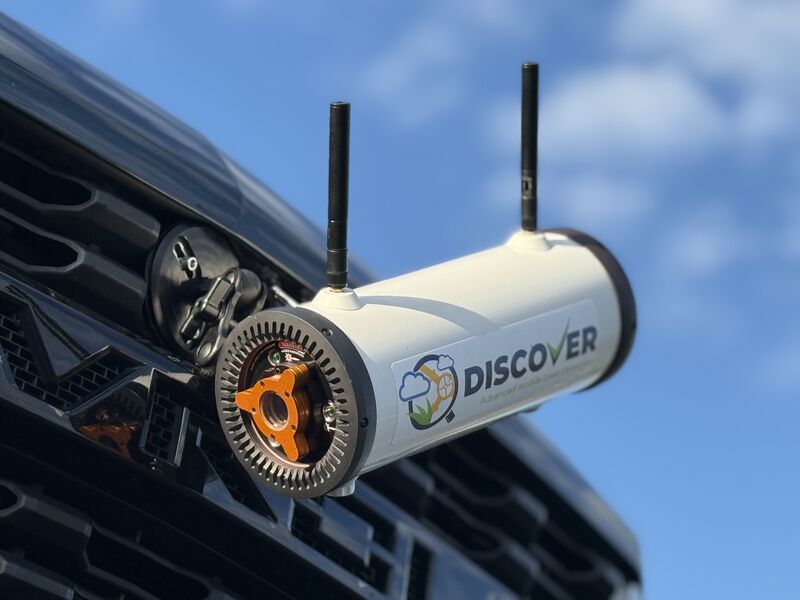
Heath Discover AMLD Vehicle-Mounted Methane and Ethane Leak Detection System

Heath HYBRID CGI
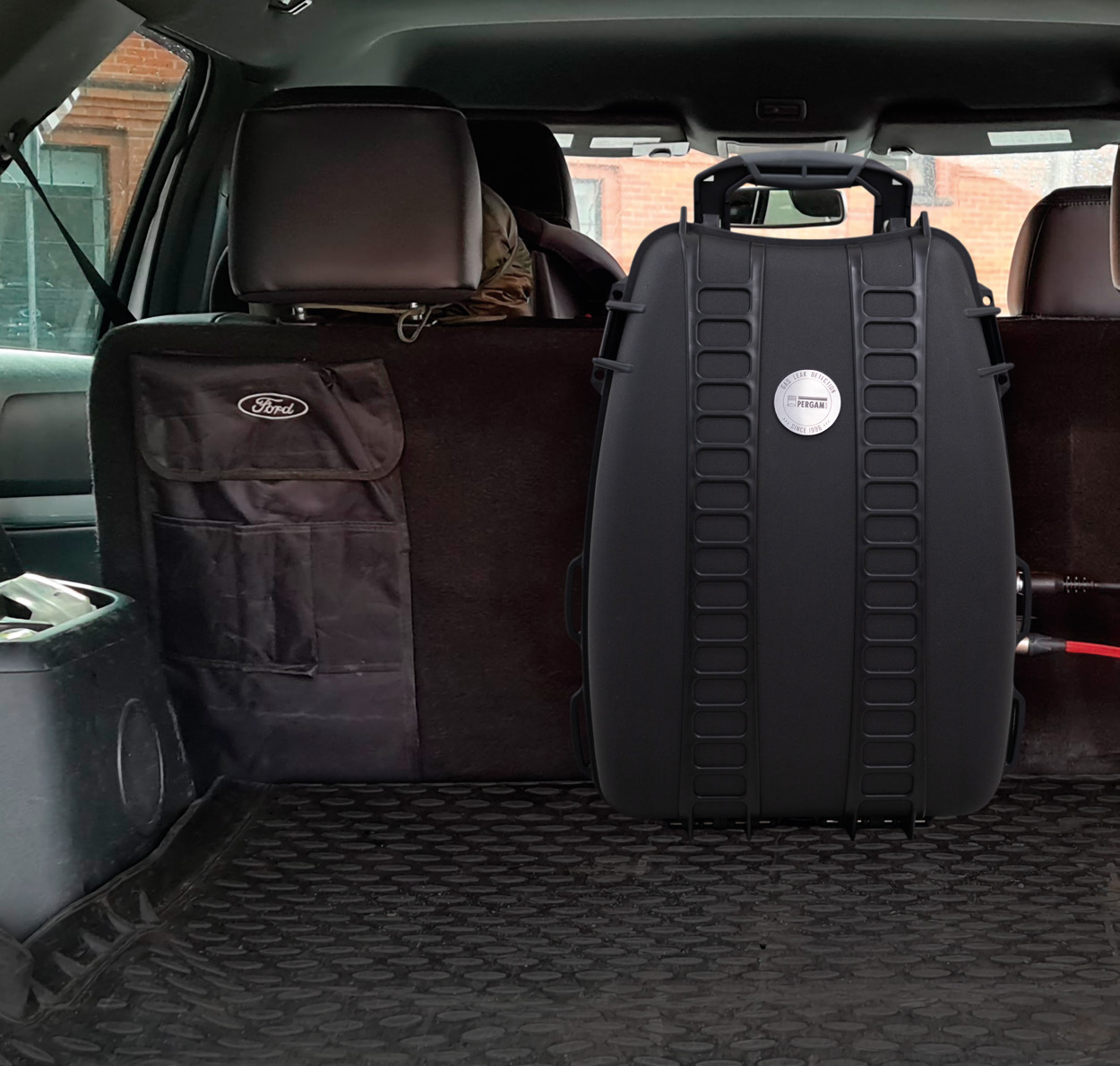
PERGAM SELMA Duo Methane and Ethane Leak Survey System
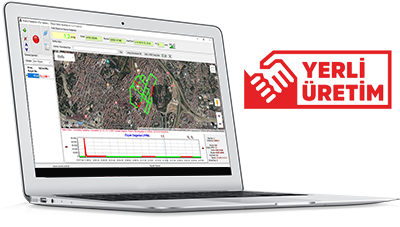
NOVEL - Mobile Detector Software (MDTVA)
Vehicle-Mounted Natural Gas Detector Selection Guide
Selecting the right system for methane leaks, ethane discrimination, laser mobile vehicle surveys, GPS mapping, and network reporting directly affects survey times, audit traceability, and field verification costs.
Methane screening or methane–ethane discrimination?
If only methane concentration monitoring is required, systems such as DP-IR+ can be evaluated. Source discrimination and biogas mitigation If required, methane–ethane options such as Discover AMLD and SELMA Duo offer significant advantages. Actual performance must be verified against product variants and field conditions.
How can productivity per vehicle be maximised?
Route planning by district, vehicle speed, GPS, measurement data, wind logs, and field follow-up procedures must be designed collectively. Any anomaly detected during vehicle surveys should be transmitted to the field verification team along with location and time data.
Which specifications should be assessed prior to procurement?
Gas species (CH₄ / C₂H₆), ppm or ppb resolution, measurement principle, pump/flow rate, vehicle integration, speed limitations, GPS, reporting, cloud security, maintenance, manufacturer service capability, and required statutory compliance documents in Turkey must be evaluated together.
Frequently Asked Questions About Vehicle-Mounted Methane and Natural Gas Leak Detection
What is the purpose of a vehicle-mounted natural gas leak detector?
A vehicle-mounted detector is used to gather methane data and flag suspected leak locations while driving along gas distribution pipeline routes. Depending on the system, it samples air from the vehicle bumper or measures across an open-air laser optical path; data is supported by GPS and reporting software.
What is the difference between vehicle-mounted gas screening and a handheld gas detector?
A vehicle-mounted system is designed to survey expansive routes more rapidly. Handheld detectors such as CGIs are used to verify suspect points identified by vehicle up close, perform bar-hole investigations, and pinpoint exact leak locations. Both solutions complement one another within a unified workflow.
Why does the Heath Discover AMLD measure methane and ethane simultaneously?
Methane alone cannot always distinguish between a distribution gas leak and biogenic sources such as sewers, landfill, or soil. Ethane measurement helps make a more accurate preliminary distinction between pipeline-sourced methane and biogenic methane; definitive confirmation is supported by field procedures.
Can the SELMA Duo be dismounted from a vehicle and used for pedestrian inspection?
Yes. SELMA Duo supports two operational scenarios: vehicle-based screening and pedestrian inspection using a backpack and extendable probe. When suspected methane findings are detected along the vehicle route, pinpoint leak investigation can be carried out using the handheld configuration.
Are the DP-IR+ and Discover AMLD based on the same technology?
No. DP-IR+ is a portable/vehicle-mounted solution that performs infrared gas analysis via sample extraction. Discover AMLD measures methane and ethane simultaneously along an open optical path using TDLAS, focusing on advanced mobile screening by also evaluating wind and positioning data.
Do vehicle-mounted systems directly indicate underground gas leaks?
No. The systems detect gas traces that migrate to the surface or ambient air. Wind, ground conditions, traffic, pipeline depth, and site conditions affect the results. The source within the suspected area must be verified using appropriate procedures such as bar-holing and on-site measurement.
Which mobile screening system should organised industrial zones (OIZ) and urban gas distribution operators select?
Teams currently using the DP-IR+ can continue portable/vehicle-based methane inspections. Operators requiring CH₄+C₂H₆ measurement and advanced reporting across extensive networks may consider the Discover AMLD or SELMA Duo. For on-site confirmation, the HYBRID CGI can serve as a complementary instrument.
Measurement and application note: Vehicle-based methane detection depends on surface venting of the gas, wind, route, vehicle speed, and sampling conditions. Differentiating the natural gas source and pinpointing the exact leak location must be evaluated in conjunction with the operator's field procedures. Vehicle modifications, manufacturer certifications, and Turkish regulatory requirements must be examined on a project-by-project basis.