
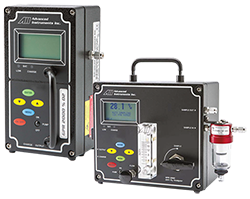
Select the right instrument for your oxygen monitoring requirements from the outset. NOVEL provides ppm-level process oxygen analysis,percentage oxygen purity verification, and nitrogen generator / glovebox monitoring with the Analytical Industries (AII) GPR series, alongside portable or fixed oxygen safety solutions with New Cosmos.
In nitrogen generators, PSA systems, semiconductor facilities, petrochemicals, hydrogen processes, research laboratories, and occupational safety applications, the target measurement range, gas matrix, sensor type, and certification are decisive in instrument selection. Continuous monitoring and alarming requirements are not interchangeable with gas purity analysis.
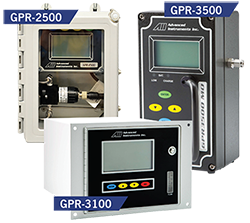
Analytical Industries GPR-2500 / 3100 / 3500 – Fixed Industrial Oxygen Analysers
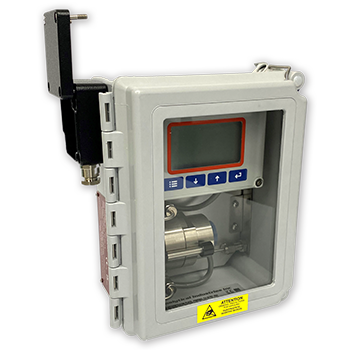
Analytical Industries GPR-1500 / GPR-2500 – Fixed Process Oxygen Monitoring Transmitters
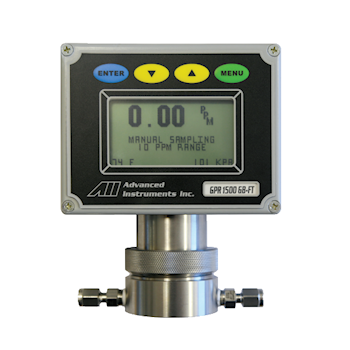
Analytical Industries GPR-1500 / GPR-2500 – Glovebox and Nitrogen Generator Oxygen Analysers

Analytical Industries AII-3000 – Handheld 0–100% Oxygen Purity Analyser

Analytical Industries Palm O₂ / Palm CO – Compact Oxygen and Carbon Monoxide Analysers

New Cosmos XP-3380II – Portable Oxygen Deficiency and Enrichment Detector with Sampling Pump
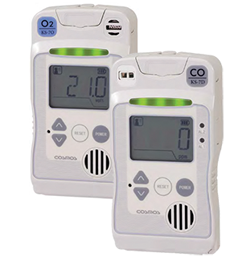
New Cosmos KS-7O / KS-7 Series – Fixed Oxygen Monitoring and Alarm Detectors
Oxygen Detector and O₂ Analyser Selection Guide
The correct oxygen measurement system is determined not only by catalogue range, but by the nature of the hazard, sample conditions, and process requirements .
ppm or Percentage O₂?
Select a ppm analyser for residual oxygen in nitrogen production, or a suitable percentage instrument for %O₂ purity or ambient oxygen levels. 1% O₂ is approximately equal to 10,000 ppm O₂. Target range and gas matrix must be evaluated together.
Portable instrument or fixed process transmitter?
Portable GPR or AII-3000 options may be considered for periodic surveys, commissioning, and field verification. If continuous recording/alarming is required in nitrogen generators, inert process gases, and gloveboxes, fixed GPR options should be evaluated.
Why do the gas matrix and sample line matter?
CO₂, moisture, gas pressure, hydrogen, and other background gases influence sensor and sampling system selection. Sampling connections, pressure regulation, flow, and sensor chemistry must be verified against manufacturer specifications.
How are ATEX/IECEx, medical, and occupational safety requirements assessed?
Hazardous area approval depends on the specific product configuration; the suitability of certification for the target zone must be confirmed. Medical applications additionally require adherence to relevant regulations and medical device approvals. A process analyser must not be assumed to function automatically as a personal safety alarm.
Oxygen Monitoring Applications and Sectors
All sector and application topics from the original NOVEL page have been preserved below in an expandable format.
Oxygen Monitoring in Industrial Applications
Oxygen monitoring is vital across many industrial applications. Continuous verification of oxygen levels across diverse sectors is a critical factor in ensuring safe operations,, improving quality control, and and increasing energy efficiency . Operating with high precision, these analysers measure oxygen concentrations accurately and in real time, helping safeguard production processes and uphold safety standards.
Importance of Oxygen Monitoring in Flammable Gases
In industries such as petrochemicals, refining, and natural gas processing, monitoring oxygen levels is vital to the safe processing of flammable gases. Excessive oxygen within combustible environments can elevate potential explosion hazards. Consequently, oxygen analysers help monitor and mitigate these risks. Continuous monitoring supports the management of fire and explosion hazards, ensuring a safe working environment.
Oxygen Monitoring in the Food and Beverage Industry
Oxygen is a major factor influencing the shelf life of food and beverage products. Exposure to oxygen accelerates oxidation, causing spoilage,discolouration, and loss of flavour. Maintaining low oxygen levels during production processes is therefore essential to preserving product quality. Oxygen analysers help manufacturers keep products fresh for longer and maintain consistent quality .
Oxygen Monitoring in Medical Applications
Oxygen level monitoring in medical applications is vital for patient safety and the success of therapeutic procedures. In medical environments such as intensive care units, operating theatres, and oxygen therapy systems, oxygen concentrations must be controlled with precision. Sub-optimal oxygen levels can compromise vital functions, while excessive levels can cause oxygen toxicity. Oxygen analysers certified for medical useprovide the necessary monitoring throughout these processes.
Oxygen Monitoring in Nitrogen Generators and Argon Systems
Oxygen monitoring plays a crucial role in systems utilising inert gases such as nitrogen generators and argon. Monitoring oxygen in gas purification systems is especially vital to preventing unintended combustion, oxidation, and product contamination. In nitrogen generators, for example, oxygen levels must be maintained at the specified minimum to avoid compromising process safety and product quality. In argon systems, monitoring oxygen is likewise essential to preserving gas purity and preventing oxidation, particularly in welding and metal processing applications .
Oxygen Monitoring in Power Generation
Monitoring oxygen levels during power generation is important for improving combustion efficiency and cutting emissions. Oxygen analysers assist in optimising combustion processes, thereby reducing fuel consumption. This not only lowers operational expenditure, but also minimises environmental impact. Efficient combustion processeslead to lower emissions and more efficient utilisation of energy resources.
Other Applications of Oxygen Monitoring
Oxygen analysers are also widely deployed in pharmaceutical manufacturing, chemical processing, environmental monitoring, and metal production. Accurate monitoring of oxygen concentrations helps enhance product quality, elevate process safety, and maintain compliance with industrial standards. Across every sector, controlling oxygen levels improves product quality, while contributing to overall safety .
Measurement Techniques and Process Safety
Why Is Oxygen Measurement Critical?
Oxygen detectors monitor oxygen deficiency or enrichment for worker safety; process analysers can perform much more precise O₂ measurements for purity and quality control in nitrogen, inert gas, and production lines. Monitoring oxygen in confined spaces prior to entry and throughout work is a fundamental safety step.
Difference Between a Detector and an Analyser
Occupational safety detectors provide alarm-focused site protection, whereas process oxygen analysers focus on generating continuous process data at ppm or percentage levels. The measuring range, sample pressure, sensor type, and required outputs must be selected according to the application.
Frequently Asked Questions About Oxygen Detectors and Analysers
What is the difference between an oxygen detector and an oxygen analyser?
An oxygen detector primarily monitors the %O₂ level in the workspace and provides an alarm for deficiency or enrichment. A process oxygen analyser measures the O₂ level in the sample gas in ppm or percentage by volume, supporting nitrogen purity, inerting, glovebox, or production process control.
In which cases is ppm oxygen measurement selected versus %O₂ measurement?
1% O₂ by volume is equal to approximately 10,000 ppm O₂. If very low residual oxygen is targeted in a nitrogen generator, a ppm analyser is selected; if the oxygen ratio in the working environment or a high-concentration process gas is being evaluated, an instrument with a suitable percentage range is selected. The definitive selection depends on the target measuring band.
What is the fundamental difference between the GPR-1100 and GPR-2000?
The GPR-1100 is positioned for trace oxygen analysis at the ppm level, whereas the GPR-2000 is positioned for percentage oxygen measurement. The sensor to be used, sample pressure, gas composition, pump, and hazardous area certification must be evaluated according to the order configuration.
Which oxygen analyser is suitable for a nitrogen generator or glovebox?
If trace oxygen monitoring at the ppm level is required, fixed trace oxygen analysers such as the GPR-1500 can be evaluated; if different percentage ranges are required, suitable solutions such as the GPR-2500 can be evaluated. Sample pressure, gas temperature, and CO₂ content are decisive factors in the selection.
Do the New Cosmos XP-3380II and GPR analysers perform the same task?
No. The XP-3380II is a portable alarming detector that checks the percentage oxygen level of the ambient environment using an extraction pump. GPR process analysers are selected for analytical measurement in gas samples at the ppm or percentage level; their applications and sensor ranges differ.
Is ATEX certification required to measure oxygen in hydrogen or flammable process gas?
The area where the instrument will be installed and the risks of the gas to be measured are evaluated separately. Equipment to be used in a hazardous area must hold valid Ex/ATEX/IECEx certification for the relevant zone/gas group. Not every option of every GPR model is ATEX approved; the product order code and certificate must be checked.
Which oxygen sensor should be used in gases containing CO₂?
In sensor families such as Analytical Industries GPR/XLT, different sensor options are available for specific CO₂ or acidic gas backgrounds. The selection should not be made based solely on the target oxygen range; the gas matrix, sample pressure, and potential contaminants must be verified with the manufacturer.
Can the same instrument be used in food, medical oxygen, and confined space applications?
Generally no. Food packaging and inert gas control may require a process analyser; personnel safety in confined spaces requires an oxygen detector for alarming purposes. Medical gas applications additionally require an instrument and measurement procedure certified for compliance with the relevant regulations and intended medical use.
Manufacturer technical resources: GPR-1500 ppm O₂ technical data sheet ↗ · GPR-1500 sensor and certification options ↗ · XP-3380II technical specifications. Notice: Current range, certification, calibration, maintenance, and gas matrix suitability must be verified against the selected model code.
NOVEL Turkey support: For correct oxygen analyser and sensor selection, sample line design, commissioning, operational training, maintenance, and calibration requests, info@novel.com.tr you can contact us at this address.