NOVEL · Product family

Refrigerant Gas Detectors – Ammonia, CO₂ and HVAC Leak Detection

Monitor the right gas at the right point in your refrigeration plant. CETCI cGAS/LPT fixed gas alarm solutions for cold storage and freezer rooms; portable New Cosmos XP-704III and suitable XP-702III-F leak detection devices for service teams. Gas and sensor selection differs for each of NH₃, CO₂, and refrigerants.

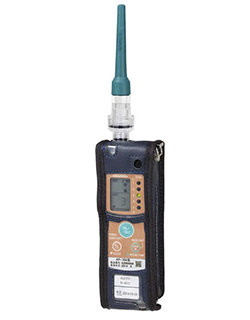
New Cosmos XP-704III – HVAC and Refrigerant Leak Detector

New Cosmos XP-704III – HVAC and Refrigerant Leak Detector

In common fluids such as R-22, R-32, R-404A, R-407C, R-410A, R-134a, R-290, R-600a, and HFO-1234yf, a device that assists in locating portable leak points — aspirated refrigerant gas detector.

Operation and technical details

Internal pump sampling, a hot-wire semiconductor sensor, and staged audible/visual alerts facilitate leak checking across evaporators, valves, joints, compressors, and pipework.

In the manufacturer's catalogue, the minimum detectable concentration for XP-704III is specified as 5 ppm, and 30 ppm for R-134a . These do not imply identical sensitivity for all gases; selection must be made based on the target fluid.

It is a portable detector for service purposes; in cold storage, if there is a requirement for a continuous automatic alarm, building automation, or an FCS panel, CETCI fixed solutions should be evaluated.

Gas Leak Detector. The New Cosmos XP-704 III is an outstanding, powerful solution for reliable measurement, rapid risk assessment, and more effective safety management in professional field operations.

CETCI cGAS – Cold Storage NH₃ / CO₂ / Refrigerant Gas Fixed Detector

CETCI cGAS – Cold Storage NH₃ / CO₂ / Refrigerant Gas Fixed Detector

For ammonia industrial refrigeration, freezer rooms, and chiller facilities, single/dual-channel fixed gas detection. Modbus or BACnet communication and the -LT low temperature option are available in the digital cGAS model.

Operation and technical details

The cGAS-D-NH3is recommended as an example for continuous ammonia monitoring in the CETCI cold storage application brochure. In the required site configuration, it is evaluated with the -LT low temperature package, OLED display, and heater; low temperature suitability must be confirmed per sensor/model.

The digital cGAS model supports one or two sensor channels. With Modbus RTU RS-485 or BACnet MS/TP communication options, it can transmit data to control panels and automation infrastructure. The manufacturer provides field-replaceable, pre-calibrated Plug & Play sensors.

Within the CETCI family, ammonia NH₃, carbon dioxide CO₂, and selected IR refrigerant sensors are monitored using distinct detection technologies. Not every cGAS configuration detects every refrigerant gas; target gas and measurement range must be specified when ordering.

In an example system, the cGAS detectors inside the cold room operate in conjunction with the CETCI FCS control paneloutside, alongside display/warning units and ventilation relays positioned outside the entrance. This infrastructure supports pre-entry risk assessment and implementation of alarm procedures.

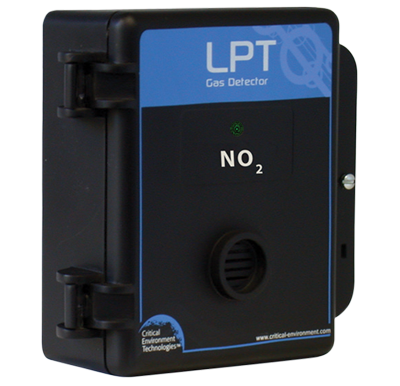
CETCI LPT – 4–20 mA Fixed Gas Detection Transmitter for NH₃ Ammonia

CETCI LPT – 4–20 mA Fixed Gas Detection Transmitter for NH₃ Ammonia

An economical single-channel fixed transmitter for ammonia (NH₃) and selected other gases in suitable areas of refrigeration facilities. The standard LPT connects to the control system via a 4–20 mA analogue output and a status LED.

Operation and technical details

Standard In the manufacturer listings for the LPT-NH3 model, a 0–500 ppm NH₃ option is available. Stating that the primary LPT model includes a digital display, internal sounder, multiple sensors, or Modbus/BACnet is inaccurate: these features may only apply to corresponding alternative LPT/cGAS variants or external control equipment.

The manufacturer specifies an operating temperature of −20 °C to +40 °C for the standard LPT. It is not unconditionally suitable for −40 °C deep freezer rooms. Ambient conditions, sensor performance, and, if required, an appropriate low temperature solution must be established on a project-by-project basis.

The analogue 4–20 mA output can be connected to a suitable FCS or building automation panel for use in alarm/ventilation management. The enclosure is rated IP54 with an optional splash guard; the standard model must not be assumed to carry hazardous area Ex certification.

When selecting between LPT and cGAS, the number of NH₃ sensors, low temperature, local display, communication, maintenance, and alarm requirements should be assessed together.

Which Refrigerant Gas Detector for Which Application?

Application comparison of portable and fixed refrigerant gas detectors
ProductApplicationCommunication / measurement feature
New Cosmos XP-702III-FService leak detection across flammable gases and compatible refrigerantsPortable, aspirated; gas variant is selected
New Cosmos XP-704IIIHigh-precision pinpoint leak detection in HVAC refrigerantsPortable, aspirated, audible/visual alert
CETCI cGAS (D / IR sensor options)Continuous monitoring of NH₃, CO₂, or compatible refrigerantsModbus/BACnet depending on configuration; with -LT option
CETCI LPT-NH3Cost-effective NH₃ alarm sensor in temperature-appropriate areasSingle channel, 4–20 mA, −20 … +40 °C (standard)

Cold Storage, Chiller, and Freezer Room Application Guide

Ammonia (NH₃) detection architecture in cold storage

CETCI's application brochure outlines a scenario where sensors are located The cGAS-D-NH3 in the internal area, with the FCS control panel positioned outside the room entrance. This allows values to be checked prior to entry; where necessary, control of beacons, horns, ventilation, or equipment can be implemented. An appropriate -LT package is essential at low temperatures.

HFC / HFO, A2L, and R134a–R410A leak detection

Not every refrigerant can be monitored with the same detection sensor. For fluids such as R-32, R-454B, R-410A, and R-134a, an IR or suitable portable sensor configuration taking target gas and safety classification into account is selected. Flammability risk and facility standards must be evaluated separately for A2L fluids.

Selecting between portable leak detection and a fixed alarm system

For maintenance personnel carrying out leak point searches across compressors, valves, joints, and evaporator lines, portable instruments such as the XP-704III or suitable XP-702III-F may be used. For 24-hour ambient monitoring and external alarm requirements, cGAS/LPT and a control panel are evaluated.

NOVEL project approach for CETCI cGAS – LPT – FCS integration

NOVEL evaluates sensor type, channel count, and panel interface jointly, based on gas schedule, cold room temperature, air currents, door traffic, and the control sequence. Sensor calibration, testing, and maintenance access must also be incorporated into the initial project phase. Site risk assessment and applicable standards govern the final design.

Product Brochures, Manufacturer Resources, and Cold Storage Application

Refrigerant Gas, Ammonia, and Cold Storage Detectors – Frequently Asked Questions

Which gas detector should be used in cold storage?

Selection depends on the refrigerant used by the facility. For NH₃ (R717), an ammonia-compatible cGAS or suitable LPT-NH3; for CO₂ (R744), a cGAS with CO₂ sensor; and for HFC/HFO fluids, an appropriate IR refrigerant gas sensor is evaluated. Selection should be based on gas, operating temperature, and alarm sequence.

What is the difference between CETCI cGAS and LPT gas detectors?

In the selected configuration, the digital cGAS offers one or two gas channels,an LCD/OLED display, and Modbus/BACnet communication; whereas the standard LPT operates as a single-sensor, LED-indicated, 4–20 mA analogue transmitter. The low temperature option for freezer rooms is specifically evaluated under the cGAS-D-NH3 -LT configuration.

Where should an ammonia gas detector be positioned in cold storage?

Because ammonia is lighter than air under standard conditions, detection points are generally considered at ceiling or high levels. Racks, fans, air draughts, doors, and potential leak sources modify coverage. The manufacturer brochure recommends ceiling mounting and avoiding fast air streams for the cGAS-D-NH3; the final position must be established by a site risk assessment.

Does the standard LPT operate in −40 °C deep freezer rooms?

The manufacturer's operating range for the standard LPT is listed as −20 … +40 °C . Therefore, it cannot be considered directly suitable for −40 °C. The cGAS -LT package or an appropriate sampled/protected system must be selected after verifying the temperature limits of the relevant sensor and project requirements.

Can the CETCI gas alarm automatically control ventilation and refrigeration systems?

In an appropriate configuration, data from cGAS/LPT is transmitted to the FCS control panel . The panel relays can be connected to audible-visual alarms, ventilation, and authorised emergency shutdown sequences. Alarm trip points and equipment shutdown logic must be configured in accordance with applicable project standards and authorised engineering approval.

Do the portable New Cosmos XP-704III and the fixed CETCI cGAS serve the same purpose?

No. The XP-704III is intended for HVAC service engineers to investigate leak points portably. The cGAS, on the other hand, is installed at a fixed point to provide continuous gas monitoring, panel integration, and alarm infrastructure. In large facilities, these solutions can complement each other.

Do all XP-702III models detect refrigerant gases?

No. The model suitable for joint detection of refrigerants and flammable gases is identified in manufacturer documentation as XP-702III-F / F(S) . Target gases may differ with other variants such as the XP-702III-A/B. The target R code and instrument variant must be confirmed when ordering.

Why is CO₂ and oxygen detection important during refrigerant leaks?

CO₂ (R744) and certain refrigerants can accumulate in enclosed, poorly ventilated spaces and displace oxygen. A CO₂ gas detector and O₂ deficiency monitoring are not identical measurements; separate sensors may be required based on risk assessment. CETCI product selection must be made according to target gases and concentration ranges.

Additional Information for Selecting Refrigerant Gas Detectors

Why Are Refrigerant Gas Detectors Used?

Refrigerant leaks in refrigeration and air conditioning systems can reduce operating efficiency, create environmental impacts, and, with certain gases, pose safety hazards in enclosed spaces. Fixed or portable leak detectors assist in the early identification of escapes and localization of the source.

How to Select an Appropriate Detector?

Detection technologies may differ for R134a, R32, R410A, CO₂, or other refrigerants. The target gas, expected leak concentration, ambient ventilation, and the requirement for fixed monitoring versus service-level leak tracing are decisive factors in instrument selection.

CETCI Türkiye: Critical Environment Technologies – NOVEL product and technical support. NOVEL provides technical support for product selection, mounting layout, commissioning, and servicing suited to the target gas, cold room temperature, and facility risk scenario.

Important: The gas schedule, temperature range, certification, and alarm connections of the instruments vary depending on the model/sensor configuration . Cold room gas detection schemes must be prepared in accordance with site-specific risk assessments and applicable regulations.

NOVEL technical support

For your application,
let us select the right solution together.

Request a Quote from NOVEL ↗

A draft opens in your email client with the subject header of the relevant product or category.