
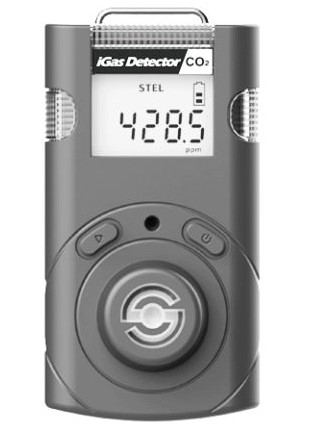
Worker safety clip-on gas detectorscovers single- and multi-gas monitors worn on site personnel to assist in monitoring personal gas risks. For CO₂, O₂, flammable, or toxic gas hazards, the appropriate model is determined based on sensor configuration, operating area, and alarm procedures.
On this page, SENKO iGAS CO₂, New Cosmos X-2000, and XA-4000II options can be reviewed alongside SENKO SGT/MGT/MGT-P and available Industrial Scientific products. Certain products are designed for active pumped sampling or transportable area monitoring; not all are clip-on models.
Selection tip: Single-gas personal detectors are evaluated for a specific target gas; multi-gas models for simultaneous hazards; pumped models for confined space pre-entry testing; and the Radius BZ1 for temporary work area monitoring rather than personal protection. NOVEL provides support in specifying sensor, pump, and alarm configurations matched to site risks.
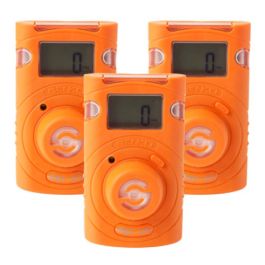
SENKO SGT - Single-Gas Personal Clip-on Alarm Detector
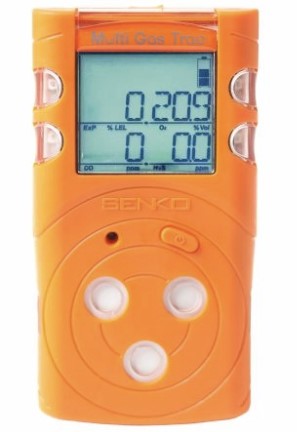
SENKO MGT - Multi-Gas Detector for Personal Monitoring of up to Four Gases

SENKO MGT-P - Multi-Gas Detector with Internal Pump and VOC Option
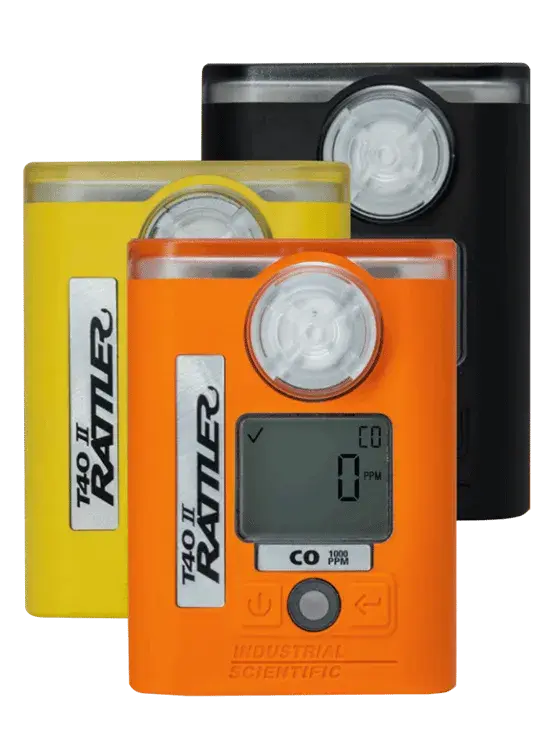
Industrial Scientific T40 II - Single-Gas Clip-on Personal Safety Detector
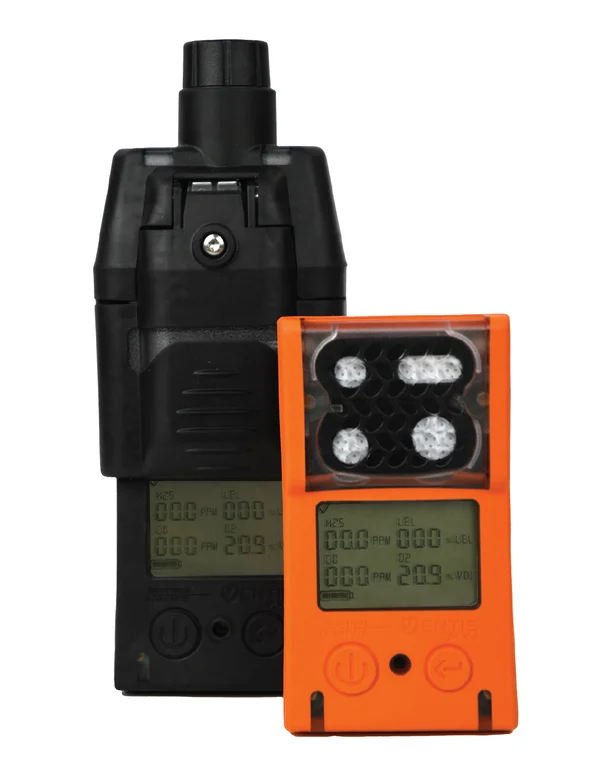
Industrial Scientific Ventis MX4 - Four-Gas Personal and Pumped Gas Detector
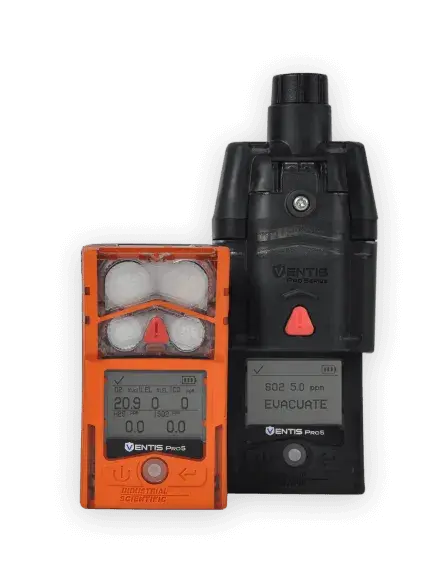
Industrial Scientific Ventis Pro5 - Five-Gas Personal Gas Detector with LENS Wireless Compatibility
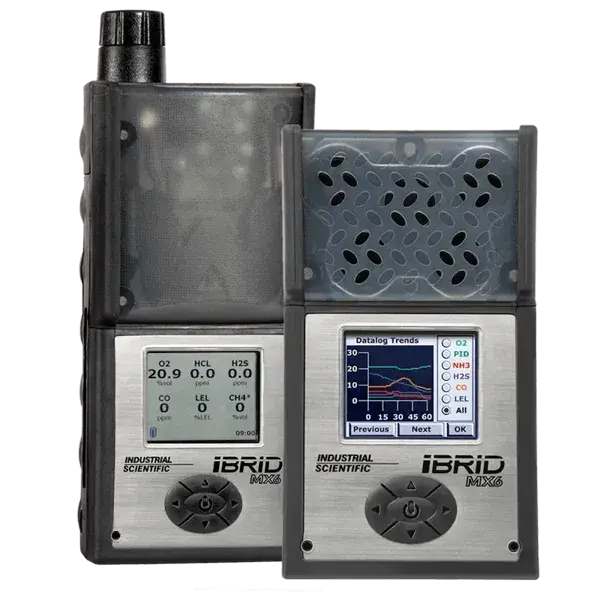
Industrial Scientific MX6 iBrid - Multi-Gas Detector for up to Six Gases with PID/IR Options
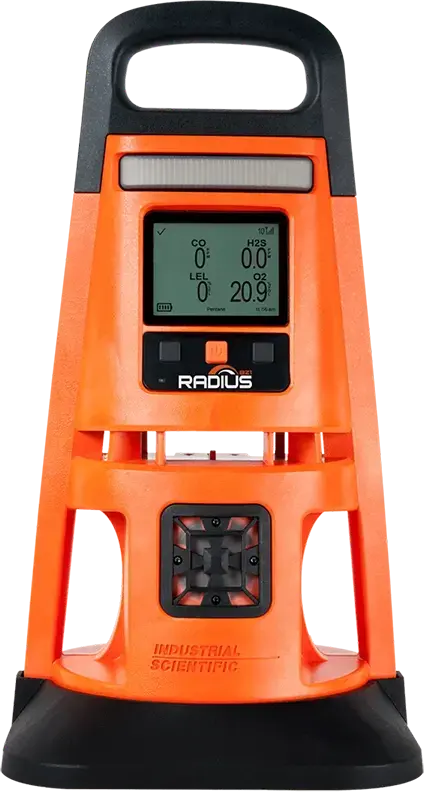
Industrial Scientific Radius BZ1 - Transportable Multi-Gas Area Monitoring Detector
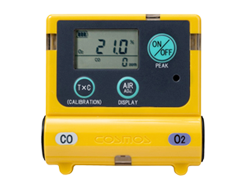
New Cosmos X-2000 Series - Single-Gas Clip-on Personal Detectors for O₂, CO, or H₂S
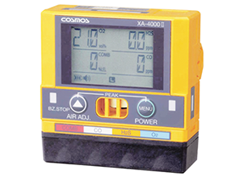
New Cosmos XA-4000II Series - Multi-Gas Detectors for LEL, O₂, H₂S, and CO
Frequently Asked Questions About Worker Safety Gas Detectors
Why Are Personal and Multi-Gas Detectors Used?
Multi-gas detectors measure multiple gas hazards simultaneously, presenting a more comprehensive risk overview of the worker's environment. Early detection when flammable or toxic gases, or oxygen levels, approach hazardous thresholds is critical for enhancing worker safety, identifying gas leaks before escalation, and supporting the implementation of site safety procedures. Single-gas detectors are favoured for tasks where a single gas presents the predominant risk; multi-gas detectors are preferred where hazards are variable, concurrent, or unpredictable.
Which Gases Can Multi-Gas Detectors Measure?
Depending on the model and sensor configuration, multi-gas detectors can monitor ammonia (NH₃), carbon dioxide (CO₂), carbon monoxide (CO), chlorine (Cl₂), chlorine dioxide (ClO₂), hydrogen (H₂), hydrogen chloride (HCl), hydrogen cyanide (HCN), hydrogen sulphide (H₂S), methane (CH₄), nitric oxide (NO), nitrogen dioxide (NO₂), oxygen (O₂), phosphine (PH₃), sulphur dioxide (SO₂), and volatile organic compounds (VOC) including an extensive group of hazards. Not every instrument measures all gases; the correct sensor combination must always be selected in accordance with the site risk assessment.
How Does a Multi-Gas Detector Work?
Gas detectors employ different sensor technologies tailored to the target gas. Electrochemical sensors are standard for toxic gases and oxygen measurement, whereas catalytic bead or infrared sensors are typically used for flammable gases, and technologies such as PID are deployed for VOC monitoring. When sensor readings exceed the configured alarm threshold, the instrument activates audible, visual, and vibrating alarms. This ensures the user does not merely view numerical readings, but is actively alerted to take immediate action as risks escalate.
How Many Gases Can One Instrument Measure Simultaneously?
This capacity depends entirely on the model and sensor architecture. Solutions within this category range from single-gas detection to 4-, 5-, and 6-gas personal/pumped monitoring options. Within the Industrial Scientific product family, alongside area monitoring solutions, configurations capable of monitoring simultaneously up to 7 hazards are also available. More sensors do not necessarily indicate a better choice; the goal is to select the correct configuration covering actual site hazards without introducing unnecessary sensor overhead.
Which Gas Detectors Are Used for Confined Space Entry?
In confined spaces, diffusion monitoring solely on the worker's body may be insufficient; remote sampling of the internal atmosphere prior to entering the space may be required. Multi-gas detectors that can be operated with a pump, such as the Ventis MX4, Ventis Pro5, and MX6 iBrid, provide suitable platforms for this purpose. In practice, sampling hose length, pump draw capacity, target gas behaviour, and required purge/delay times must be evaluated together.
What Is the Difference Between Personal Monitoring and Area Monitoring?
Clip-on personal detectors are worn within the worker's breathing zone and track individual exposure risk at the user level. Area monitors such as the Radius BZ1, by contrast, are positioned within a defined work area to make hazards that could impact multiple workers visible across a broader zone. In major maintenance turnarounds, tank farms, temporary work zones, and operations where work crews share the same hazard area, deploying personal and area monitoring systems concurrently can establish a more comprehensive safety layer.
Standards, Alarm Management, and Maintenance
Detector selection must be conducted according to target gas, alarm objective, location of use, and hazardous area classification. Relevant requirements under IEC/EN 60079, EN 45544, and EN 50104 are evaluated according to the application for flammable gas, toxic gas, and oxygen performance. In explosive atmospheres, the ATEX/IECEx certification scope must be verified against the model and sensor configuration. To maintain instrument reliability, pre-use functional checks (bump testing), calibration at manufacturer-recommended intervals, and routine verification of alarm, battery, and sensor status form an integral part of the safety programme.